
Digital media has the ability to reach people on all sorts of platforms these days. A person could watch a video on a streaming platform in the morning, watch a social feed during the afternoon, check out an app in the afternoon, and then watch traditional television in the evening. The problem is, each one of these platforms has its own way of measuring views, clicks, engagement, etc. The numbers just don’t tend to match from one platform to the next, which can make it very difficult to make sense of the data, especially when it doesn’t appear to be very trustworthy.
Back in earlier decades things were simpler. Television ratings came from household samples that everyone more or less accepted as a standard. Radio had its surveys and print had circulation numbers. Those older methods had plenty of limitations but they gave the industry a shared reference point. Digital changed all that. One platform now calls something a view after just a couple of seconds of playback while another insists on longer viewing or some kind of active click or comment. Privacy rules have cut way back on cookies and other tracking methods. Algorithms on each service push content based on their own rules. All these differences make it really difficult to see the full picture of how audiences move across channels.
Bots and automated traffic make the mess even bigger. Industry reports keep showing that fake clicks, views, and engagement signals are driving up costs. Some estimates put the yearly hit from digital ad fraud in the tens of billions of dollars. A good chunk of that activity never involves any actual person paying attention. The fake numbers waste advertising money and leave creators with a distorted idea of how far their work really travels.
These measurement problems show up in daily decisions across the business. Brands have a hard time figuring out where to put their budgets when the performance numbers do not match from one platform to another. Content makers struggle to prove the real value of what they produce to sponsors. Even connecting the dots in a single customer’s journey is tricky. A person might see an ad on social media, watch a related video on a streaming service, and then buy something on a website. Most current tools still give credit to only one step and miss everything else.
Different groups have tried to close some of these gaps. Some companies mix traditional panel data with digital signals to create hybrid measurement systems. Others have developed multi-touch attribution models that attempt to follow the full customer path. Industry organizations have held discussions about shared standards for moving data between platforms, but competition between the big players slows everything down. Privacy laws add yet another set of rules that any new approach has to respect.
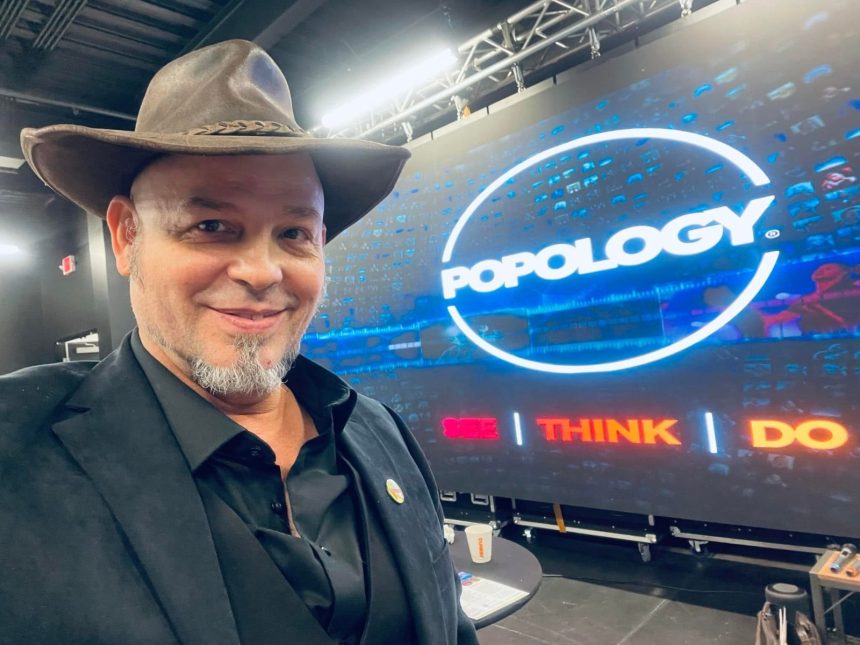
One effort working on this challenge is POPOLOGY. In August 2001, just weeks before the September 11 attacks, Joe Rey started writing down some early notes about audience connection and tracking. Those notes later grew into this media and data infrastructure project. POPOLOGY sits alongside the existing platforms instead of trying to replace them. It looks at structured signals like timestamps and cross-referenced usage data with the goal of helping separate real human attention from automated or low-quality traffic.
Of course any solution in this space runs into serious practical hurdles. It has to protect user privacy, keep the experience smooth for regular viewers, and somehow win support from both small independent creators and the largest technology companies. Questions about data governance and how different systems actually talk to each other across competitors are still being worked out. Technical standards in this area are still developing.
The explosion of digital platforms has made reliable measurement more urgent than ever before. As people continue to diversify across all of these platforms, the need for better ways of measuring attention continues to become more and more urgent. Such an advancement could potentially allow advertisers to make the most of the money they are spending, allow creators to show the true extent of the reach of their content, and create a more trustworthy environment within the entire digital media space. In order to make true advancements in the field, there will likely need to be constant input from all of the different producers, advertisers, etc. in the industry in order to create a standard that will actually stick in the fragmented environment in which people are operating.