

The Middle East war impact on global supply chains has reached a critical point in April 2026. The closure of the Strait of Hormuz in March triggered one of the worst economic disruptions in recent history. Businesses and everyday consumers, especially in the USA, are now dealing with higher prices and longer waits for essential goods. Moreover, unlike past conflicts, this crisis is hitting both the energy sector and the technology industry at the same time.
Why Global Energy Prices Are Skyrocketing in 2026?
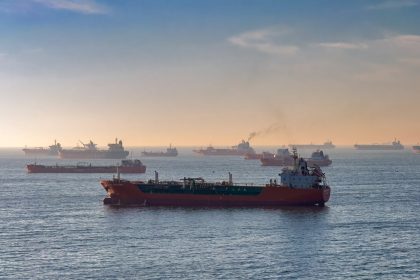
Energy powers every part of global trade. Because the Strait of Hormuz carries roughly 20% of the world’s oil, its blockade sent immediate shockwaves across every major market. As a result, Brent Crude oil surged past $120 per barrel, the largest supply disruption in modern history.
Furthermore, European natural gas prices have jumped 60% in just two months. While the USA benefits from domestic production, rising shipping costs are affecting every country. Air freight rates have also spiked, as major carriers like Emirates and Qatar Airways face costly rerouting.
Key Energy Impact Numbers at a Glance
- $120+ Brent Crude per barrel
- +60% EU gas prices (2 months)
- 20% world’s oil via Hormuz
- +6% predicted business failures
Read More: Why Japan Is Increasing Defense Spending in 2026
The Hidden Semiconductor Crisis Nobody Is Talking About
Many people don’t realize how much the tech industry depends on the Gulf region. The Middle East supplies a large share of helium, aluminum, and bromine, materials that are essential for making microchips. These chips power everything from your smartphone to advanced AI data centers.
How the chip shortage is unfolding
- Helium shortage
Qatar produces one-third of global helium. Without it, cooling semiconductor wafers becomes extremely difficult, slowing chip production worldwide. - Aluminum scarcity
Smelters in the UAE and Bahrain face gas shortages, forcing factory shutdowns and reducing the supply of aluminum used in electronics. - AI buildout stalls
Major tech companies warn that AI chip deliveries could be delayed by six to nine months, directly stalling new AI infrastructure projects.
Economic Fallout: Inflation, Insolvency, and a Rising Cost of Living
The conflict is creating what economists are calling a “global insolvency wave.” Experts predict a 6% rise in business failures this year, particularly in Western Europe and Asia, where energy-intensive industries are struggling to survive. Consumers are also feeling the pressure through persistent inflation.
Sector-by-sector impact overview
| Sector | Impact level | Main reason |
| Logistics | Critical | Higher fuel costs and insurance premiums |
| Semiconductors | High | Shortage of helium and critical minerals |
| Agriculture | Moderate | Fertilizer prices rising due to gas shortages |
| Airlines | High | Jet fuel surge and grounded cargo routes |
| Technology | Critical | AI chip delays of 6-9 months |
Read More: UN Emergency Meeting on Global Inflation: What It Means for You in 2026
How Companies and Countries Are Fighting Back
Despite the disruption, businesses are adapting fast. Many companies are turning to alternative suppliers in Southeast Asia and South America. However, these changes require time and significant investment. Additionally, several nations are accelerating their shift toward nuclear power and renewable energy to reduce dependence on Gulf oil.
The International Energy Agency (IEA) has warned that even if the war ends soon, repairing damaged infrastructure could take years. Therefore, the high prices seen today may become the “new normal” for the rest of 2026.
Final Thoughts: Navigating the 2026 Supply Chain Storm
The Middle East war impact on global supply chains is a clear reminder of how connected our world has become. From the gas in your car to the chip in your laptop, every part of the chain is under pressure. For everyday consumers, this means higher prices and longer waits. However, the global economy is showing its strength by diversifying routes, finding new suppliers, and embracing cleaner energy. The road ahead is tough, but the world is adapting.
Read More: Strait of Hormuz Blockade Update Today: Oil Crisis Explained