
In an age of declining pews and rising skepticism, the Catholic Church remains one of the largest forces for education, charity, and moral debate on the planet.
Church attendance is down across much of the Western world, and headlines about the Catholic Church often focus on scandal or decline rather than relevance. Yet by nearly every measure of scale and reach, the Catholic Church remains one of the most significant institutions on Earth. With roughly 1.3 billion members, it is the largest organized religious body in the world, present in nearly every country and operating the largest non-governmental network of schools, hospitals, and charitable organizations.
A GLOBAL SAFETY NET
Catholic relief and charitable organizations operate in disaster zones, refugee camps, and impoverished communities on every continent, frequently arriving before larger, better-funded governmental agencies. Catholic hospitals and clinics treat patients regardless of their faith or their ability to pay. Catholic schools, from inner-city parochial schools in American cities to mission schools in rural Africa and Asia, continue to educate tens of millions of children, often in places where few other options exist. This charitable infrastructure, built up over centuries, is one of the most tangible reasons the Church’s influence extends far beyond its own membership.
A VOICE IN GLOBAL DEBATES
The Church also continues to shape conversations on some of the most contested issues of the day, from the ethics of war and capital punishment to poverty, immigration, and environmental stewardship. Papal statements are covered by news organizations worldwide, not because every reader is Catholic, but because the papacy remains one of the few global platforms capable of commanding the attention of billions of people at once. Whatever one’s own beliefs, it is difficult to name another institution whose public statements carry that kind of reach.
The Church’s influence is no longer measured only in pews filled, but in hospitals staffed, classrooms opened, and disaster zones reached.
A CHURCH IN CONVERSATION WITH ITSELF
Perhaps the most underappreciated part of the Church’s modern significance is the vigorous internal debate happening within it. Catholics around the world, including clergy, theologians, and lay advocates, continue to push for change on questions of governance, transparency, and the role of women and laypeople in Church decision-making, echoing the same spirit of reform that has periodically reshaped the institution throughout its history. These voices for reform, often drawing on decades of lived experience inside Catholic religious life, argue that an institution built to last two thousand years must also be willing to keep examining itself if it hopes to remain relevant to the next generation of believers.
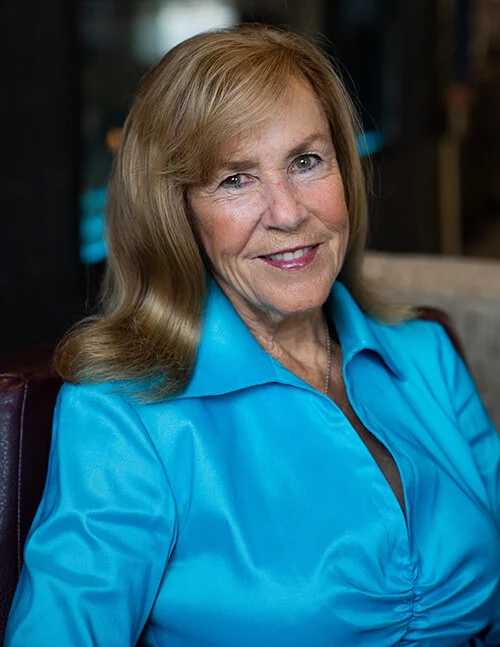
Advocates like Rene Reid, a former Catholic nun turned author and founder of Catholic Church Reform International, represent this ongoing conversation. Drawing on her own decades inside Catholic religious life and later work in media and public service,
Reid has spent years calling for a Church governed with greater transparency, equality for women, and a stronger voice for its laypeople, part of a broader movement of Catholics working from within to shape the Church’s next chapter.
Back in 2014, CCRI members and other reformers held up a sign in St. Peter’s Square: “Families Deserve Vote in Family Synod.” It took only nine years, 2023, for Pope Francis to welcome 54 lay women and about 70 laymen as voting members in the Synod of Bishops. This was the first time in history that the laity were given a voice in the decision-making.
A more current example of that work is CCRI’s Conversation in the Spirit project. Because these celibate Church leaders gathering at the Vatican lack firsthand experience with family life, CCRI believes it is vital they hear from real families if their discussion is centered on helping guide families facing so many issues in today’s world. Joining with other reform organizations, CCRI is inviting families from all around the world to host small, informal listening sessions with their own families using a prayerful, reflective Conversations in the Spirit format, with each participant given equal time to speak without interruption about their joys and struggles as a member of this family, and the pastoral guidance needed from the Church. Once a family completes the exercise, each family member contributes to their report using the online short form to capture the themes that emerge — convergences (issues on which everyone agrees), divergences (issues left unresolved), and suggestions of how the Church could better guide and support them through their struggles. CCRI and the core team consolidate all the global reports and submit them to the Vatican to help inform a meeting called by Pope Leo with the presidents of every Bishops Conference worldwide, scheduled for the second week of October 2026. Families, Catholic and non-Catholic, are welcome to participate.
A LIVING INSTITUTION
None of this erases the very real challenges the Church faces: declining attendance across much of Europe and North America, ongoing questions of accountability, and generational shifts in how people relate to organized religion. But those challenges are, in their own way, more evidence of the Church’s continued relevance rather than less. Institutions that no longer matter do not generate this much debate, scrutiny, or passionate reform effort from within their own ranks. Two thousand years after its founding, the Catholic Church remains a living, contested, and consequential institution, one still very much in the process of writing its own next chapter.