
THE OFFER AT DINNER
Melody Trish serves Paul Skinner his favorite dinner. Kenneth Perry makes the introduction. Then recruiter Cheung Bin offers Paul a way out of his gambling debts and a job in China. The price is a copy of a classified chip schematic. When Paul hesitates, Melody leans in and promises to follow him to Beijing.
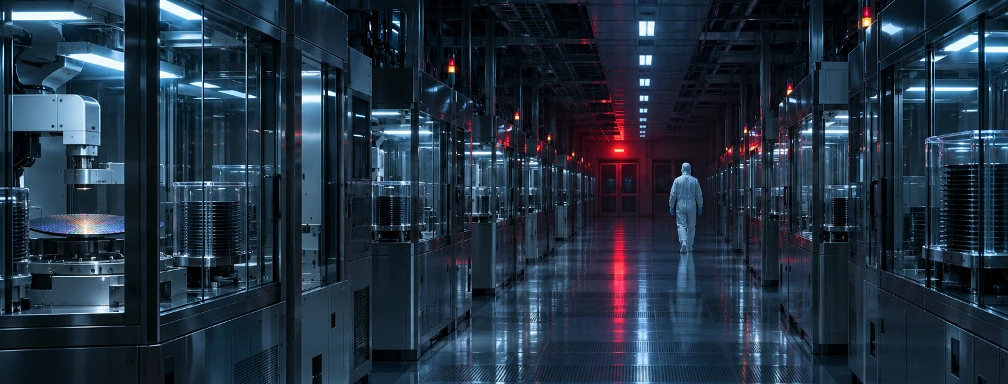
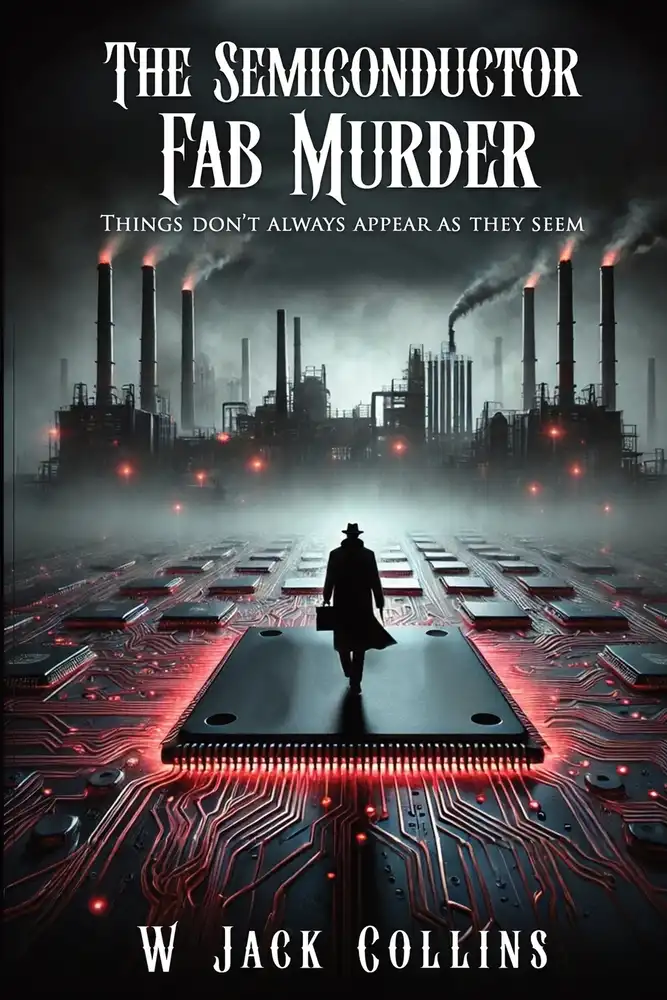
Paul has access to Project COMTEA, which is developing chips for a U.S. Navy submarine guidance system. Melody, a plant operations manager and his former lover, knows how to get him to the table. Those are two different kinds of access, and the scheme needs both. Then a body turns up inside the Dallas fabrication plant, and a homicide detective has to question people sworn to protect the project. Published in May 2025, The Semiconductor Fab Murder puts those pressures in motion before the NVIDIA board inquiry made headlines in November 2026. Amazon
When a Relationship Opens a Door

On November 8, 2026, NVIDIA announced an independent inquiry into reports that CEO Jensen Huang had been targeted by a foreign intelligence effort. Huang separately acknowledged infidelity. The board said at the time it had no reason to believe company secrets or national security had been compromised. Huang’s statement

Reuters relayed The Information’s report that ties between Jensen Huang and former Megaspeed executive Alice Huang helped facilitate at least $7.5 billion in NVIDIA chip shipments to Chinese firms. China’s Foreign Ministry denied the espionage allegation. The novel and the reporting both raise the possibility that a personal relationship can help someone obtain protected technology. Collins puts a classified design on the table. The reporting concerns shipments of finished AI chips. Espionage reporting · China’s response
The news had an immediate market impact. NVIDIA shares fell 4.3% on November 9, erasing roughly $190 billion in market value, Reuters reported. Reuters market figures
The Person Who Signs Off
Before dinner, engineering technician Rachel Quinn makes Melody wait while she puts classified work away. A title gives Melody influence across the facility. Rachel still controls what she can see in that room. Later, federal investigator Lori Nguyen finds that Nora Reina, an executive assistant, had access to the project database. Project manager Tom Upton signed the form. His signature gives Lori a specific decision to examine.
That’s where the thriller sharpens the question in the news. If a relationship mattered, which decision did it influence? Who could approve a customer or an order, and which records would show whether the usual checks worked? Reuters separately reviewed records of hardware imports by a Megaspeed subsidiary in Indonesia. Those records alone do not establish where the chips ultimately went or whether an export rule was violated. Reuters on the shipping records
What Actually Changed Hands
Kenneth Perry is useful to the people at Melody’s table because he has worked across companies and can get a hearing from another engineer. His role shows why investigators care about intermediaries. A trusted introduction may explain how a deal started. To learn what came of it, Lori Nguyen and homicide detective Bill Lawson need to establish what was copied, what moved and who received it.
The Real Cases Closest to the Plot

A separate federal case comes closer to what Cheung wants from Paul. In January 2026, a jury convicted former Google engineer Linwei Ding of economic espionage and trade-secret theft. The material included information about Google’s custom AI chip architecture. In a separate hardware case, Operation Gatekeeper, the Justice Department announced guilty pleas by a Houston company and its owner for smuggling advanced AI technology. The cases help distinguish two things someone might want to obtain. A design can tell an engineer how a chip works. A shipment puts the physical hardware in a buyer’s hands. Google case · Operation Gatekeeper
The pleasure of Collins’s thriller is watching people make choices while everyone around them has only part of the story. Rachel can see who’s standing in the doorway. Nora can see what’s in the database. Lori can see who signed the form. Put those moments together and a dinner invitation starts to look like a question of national security.