

A mother in Turkey sat in front of a screen, waiting on a translator, watching an American courtroom she was legally barred from entering. She is an Iranian Christian refugee. The travel ban meant she could not set foot in the United States. Her five-year-old daughter had been taken here and kept from her for a year and a half.
She won anyway.
That she could win from six thousand miles away, through a translator, unable to attend her own case, is the part Devon Slovensky keeps coming back to. “We have an Iranian Christian refugee who can’t even come into the United States right now because of the travel ban in effect against Iranians, and she was able to be a successful litigant in the United States courts,” Slovensky said. “I think that says a lot for our justice system right now at a time where our justice system is under a lot of scrutiny.”
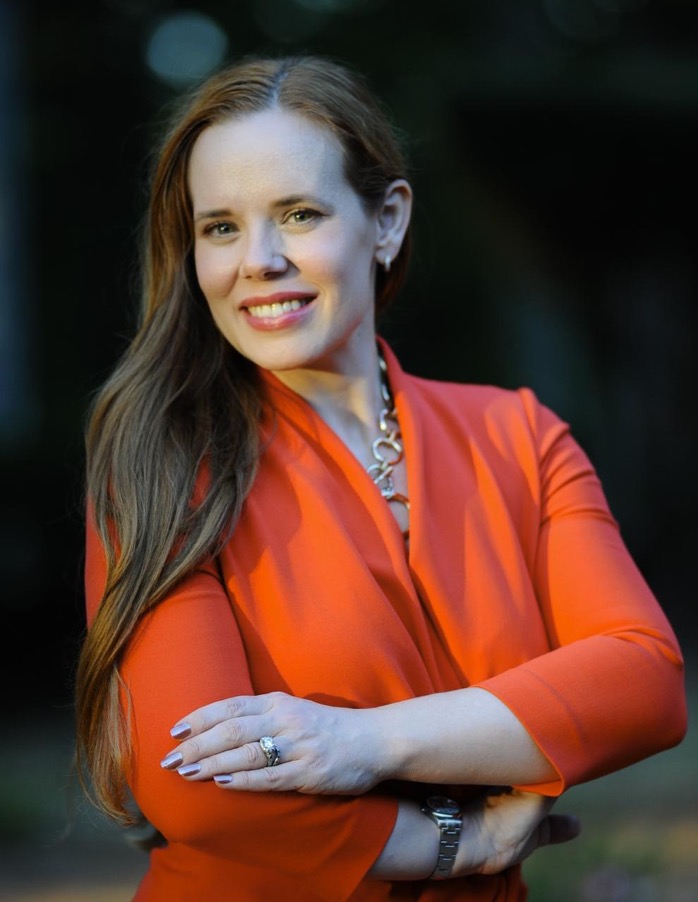
Slovensky is a family law attorney in Roanoke, Virginia, and the founder of Slovensky Divorce & Family Law. The case was brought under the Hague Convention, a treaty most Americans never hear of until it reaches into their own family. When a child is abducted across a border, the countries that signed it work through an international process to send that child home.
What the public misunderstands, she says, is what the court actually decides. It is not deciding who the better parent is. “At the core of Hague Convention litigation, there are questions about custody, but they’re purely legal questions,” she said. “They’re not questions about who is the better parent. They’re just questions about who actually legally is entitled to custody at this moment.” Here the answer was not close. Her client held sole legal and physical custody under a Turkish court order.
Then there is the clock, where these cases are won or lost. The treaty asks courts to resolve them within six weeks. Slovensky went from filing in mid-June to a ruling in mid-July, roughly a month. That speed is not the norm, and she is candid about why. Delay favors the person who took the child. “The time going on is an abductor’s best friend,” she said. Cases can stretch for a year when the other side wants them to.
Here she offers the kind of observation you only get from someone who works these courts. Everyone praises the Eastern District of Virginia as one of the fastest federal dockets in the country. Slovensky points further west. “The sleeper story there is actually the Western District of Virginia is just a hair behind the Eastern District,” she said. “It is a super fast docket.” It is a small, specific thing, and it is the sort that decides whether a mother waits four weeks or fourteen months.
The business behind the advocacy
The Hague case makes headlines. The firm behind it is quietly one of the better stories in the business of law.
Slovensky Divorce & Family Law earned a place on the 2026 Inc. 5000, the ranking of the fastest-growing private companies in America, at No. 2750. A family law practice on that list is not a common sight. It is a category most people file under service, not growth. She built one that reads as both.
She is a Certified Divorce Financial Analyst and a Master Advocate. The financial training matters in divorce work the way the treaty knowledge mattered in the abduction case. It is in command of the parts of the process where the outcome is actually decided, and it is more than most family lawyers choose to carry.
The growth and the advocacy feed each other. A firm does not scale onto the Inc. 5000 by turning away the hard files. It scales by being the office that takes the international abduction case, the high-conflict custody fight, the divorce no one else wants to untangle. The cases that intimidate other practices are the ones that built hers.
Under the Hague Convention, a child is supposed to be returned immediately, even while an appeal is pending. The court entered an order requiring a family relative to help return the child, and the firm is complying with it.
Ask Slovensky what the case is really about and she does not reach for anything grand. It is about a specific child, a specific mother, and what a court system is for. A refugee who could not enter the country still got a fair hearing and a just result inside it. In a year when many people are questioning what American institutions are still good for, that is not a small thing to point to.