


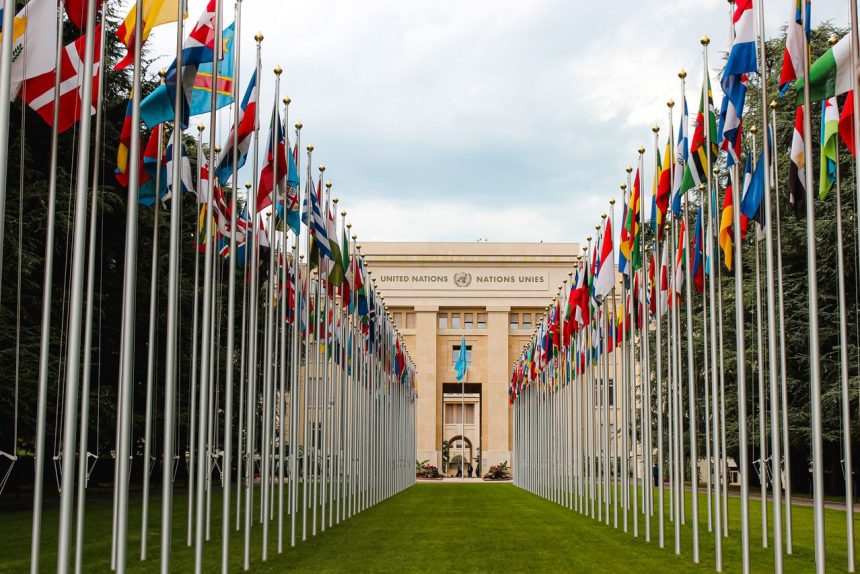
In April 2026, the United Nations called a historic UN Emergency Meeting on Global Inflation in New York City. World leaders, economists, and policy makers came together to tackle a dangerous surge in global prices. Rising costs, driven by new Middle East conflicts and broken supply chains, had pushed the IMF to warn that inflation could exceed 6% in several regions. This meeting was a direct response to a world economy on the edge.
Why the UN Called an Emergency Meeting on Global Inflation?
After a brief recovery in 2025, things took a sharp turn. New geopolitical tensions pushed energy and food prices back to record highs. As a result, the UN Secretary-General urged all member states to act fast, before a wage-price spiral became impossible to stop.
Energy Prices and Supply Shocks Driving the Crisis
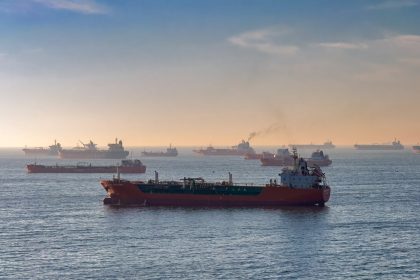
The closure of major trade routes sent shockwaves through global markets. Diesel and jet fuel costs jumped by 19% almost overnight. Businesses passed those costs on to consumers, making everyday goods more expensive for families worldwide.
Food Security and Debt: The Hidden Pressures
Higher fertilizer costs have made basic grains unaffordable in many low-income countries. At the same time, developing nations are now spending more money on interest payments than on healthcare or education. These two pressures together form a silent crisis beneath the headline inflation numbers.
Read More: Why Japan Is Increasing Defense Spending in 2026
The Global Action Plan: 3 Key Strategies on the Table
During the session, the World Economic Outlook for April 2026 outlined three possible paths forward. Leaders pushed for a “reference scenario,” a carefully coordinated effort to contain inflation before it causes permanent damage.
| Strategy | Proposed Action | Expected Outcome |
| Monetary Policy | Coordinated central bank pauses | Stable currency exchange rates |
| Fiscal Buffers | Targeted subsidies for low-income households | Reduced social unrest |
| Trade Reform | Removing export bans on food | Lower grocery store prices |
These strategies are not quick fixes. However, if implemented together, economists believe they could slow inflation significantly within 12 to 18 months.
How This Affects the USA and Developing Countries?
Even though the United States has shown some economic strength, everyday Americans between 18 and 55 are still feeling the pressure. High bond yields and stubborn core inflation have made buying a home or a car harder than ever. Moreover, the average household is spending more each month on groceries, gas, and rent.
For developing countries, the situation is even more serious. The UN warned that if wealthy nations do not support the Global South, the resulting economic instability could lead to mass migration, a problem that will eventually affect everyone, including developed nations.
Read More: Middle East War Impact on Global Supply Chains: 2026
What the UN80 Initiative Could Change?
One major focus of the meeting was the UN80 Initiative. This plan aims to modernize financial rules that were written back in 1945. In today’s world, those old rules simply do not work. The initiative pushes for reforms at the IMF and World Bank to allow faster emergency loans when inflation spikes. Consequently, countries in crisis could get help in weeks instead of months.
What This Means for Your Wallet in 2027?
The decisions made at this meeting will directly affect how much you pay for gas and groceries in the months ahead. If the proposed Sevilla Commitment on debt and finance succeeds, experts predict a gradual price drop by early 2027. Furthermore, a coordinated approach could bring down interest rates, making mortgages and loans more affordable.
However, if global cooperation fails, the world risks a long period of low growth and high costs. That means tighter budgets, fewer jobs, and less purchasing power for families everywhere.
In conclusion, the UN Emergency Meeting on Global Inflation is far more than a political event. It is a critical effort to protect everyday people from a cost-of-living crisis that is already reshaping lives around the world. By addressing supply disruptions, debt burdens, and energy shocks together, the UN is working to make sure the 2026 economic crisis is only temporary, and that your future stays affordable.
Read More: Strait of Hormuz Blockade Update Today: Oil Crisis Explained