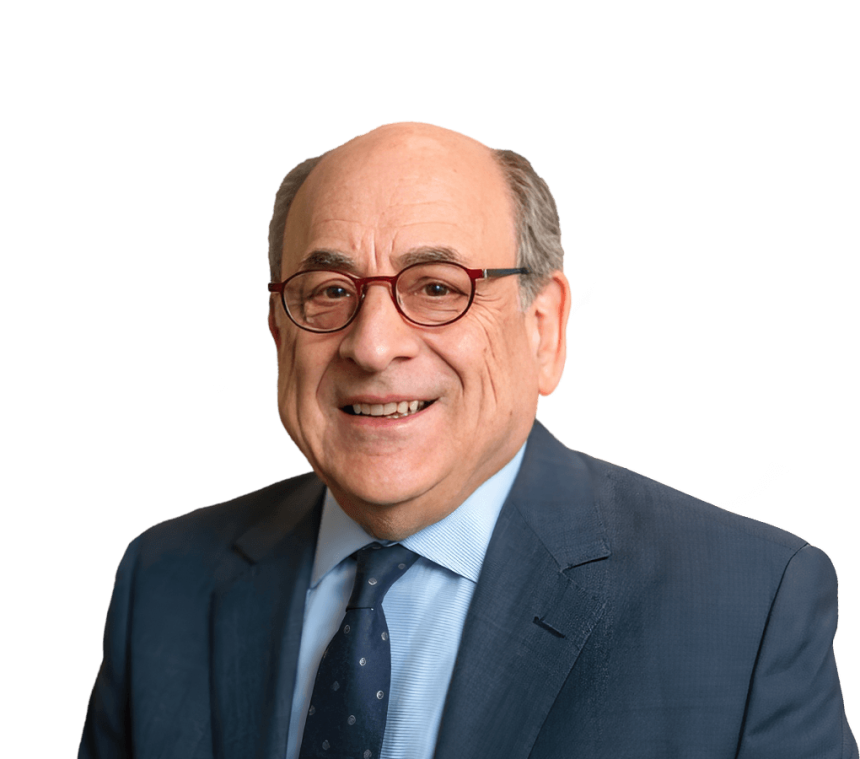
For millions of people living with sickle cell disease, every day can bring intense pain. But thanks to Stuart Orkin’s Breakthrough Prize, a new chapter in medicine has begun. Dr. Stuart Orkin, a Harvard scientist, discovered the key biological switch that controls healthy blood production. As a result, the world’s first CRISPR-based gene therapy called Casgevy has received FDA approval. This is not just a scientific win, it is hope made real for millions of patients worldwide.
Who Is Dr. Stuart Orkin?
Dr. Stuart Orkin is a professor at Harvard Medical School and a researcher at Boston Children’s Hospital. For decades, he focused on understanding how red blood cells work at the molecular level. While most researchers tried to manage blood disease symptoms, Dr. Orkin asked a deeper question: Why do babies born with sickle cell mutations stay healthy for several months after birth?
That single question led to one of the most important discoveries in modern medicine.
The BCL11A Discovery: Finding the Biological Switch
Why Fetal Hemoglobin Matters?
Before birth, the human body produces “fetal hemoglobin,” a special form of the protein that carries oxygen in the blood. After birth, a gene called BCL11A acts like an off switch, it silences fetal hemoglobin and forces the body to use adult hemoglobin instead. In people with sickle cell disease or beta-thalassemia, this adult hemoglobin is defective.
Dr. Orkin’s team discovered this switch in 2008. Furthermore, they realized that if they could block BCL11A, the body would keep producing healthy fetal hemoglobin. Consequently, the defective adult hemoglobin would no longer dominate, and patients could finally breathe easy, both literally and figuratively.
From Lab Discovery to Real-World Cure
This research became the scientific backbone of Casgevy, a CRISPR gene therapy developed by Vertex Pharmaceuticals and CRISPR Therapeutics. In 2023, the FDA approved Casgevy – a historic first for CRISPR medicine. The therapy involves editing a patient’s own stem cells in a lab to disable the BCL11A enhancer, then infusing those cells back into the body. After treatment, the body naturally produces healthy fetal hemoglobin on its own.
Traditional Treatment vs. Gene Therapy: A Clear Comparison
| Feature | Traditional Treatment | Orkin’s Gene Therapy |
| Method | Blood transfusions & pain medication | One-time CRISPR gene editing |
| Duration | Lifelong management | Potential lifetime cure |
| Recovery | Temporary symptom relief | Permanent biological change |
| Risk | Organ damage over time | Restores normal oxygen flow |
| Cost burden | Ongoing, high expense | One-time treatment cost |
Why Stuart Orkin’s Breakthrough Prize Matters to the World?
For a long time, sickle cell disease received far less research funding than other conditions. It primarily affects people of African, Mediterranean, and Middle Eastern descent – communities that have historically been underserved by medical research. Therefore, the recognition of Stuart Orkin’s Breakthrough Prize sends a powerful message: these patients deserve the best science has to offer.
- Global reach: Over 20 million people worldwide live with sickle cell disease or beta-thalassemia.
- Historic first: Casgevy is the first FDA-approved CRISPR treatment in human medicine.
- Scientific inspiration: Orkin’s work is now guiding researchers tackling other genetic diseases.
- Patient impact: People who once suffered frequent “pain crises” are now living active, normal lives.
What Comes Next for Gene Therapy?
The current CRISPR therapy works – but it is expensive and requires a hospital stay. So researchers are already working on the next step. Scientists want to find a way to activate the BCL11A switch through a simple pill, making treatment accessible to patients in low-income countries. Moreover, the National Institutes of Health is funding trials to apply similar gene-switch strategies to other inherited conditions like muscular dystrophy and cystic fibrosis.
In short, Dr. Orkin’s discovery is not just a cure for one disease. It is a blueprint for the future of genetic medicine.
Conclusion: A Legacy That Will Save Millions
Science often moves slowly, but when it reaches a tipping point, it changes everything. Stuart Orkin’s Breakthrough Prize is the world’s recognition of that tipping point. What began as a curiosity about newborn babies has grown into the foundation of a medical revolution. As gene therapy becomes more affordable and accessible, the legacy of Stuart Orkin’s Breakthrough Prize will be measured not in awards, but in the millions of lives that are saved. The age of genetic cures has arrived – and it started with one scientist, one question, and one remarkable switch.