

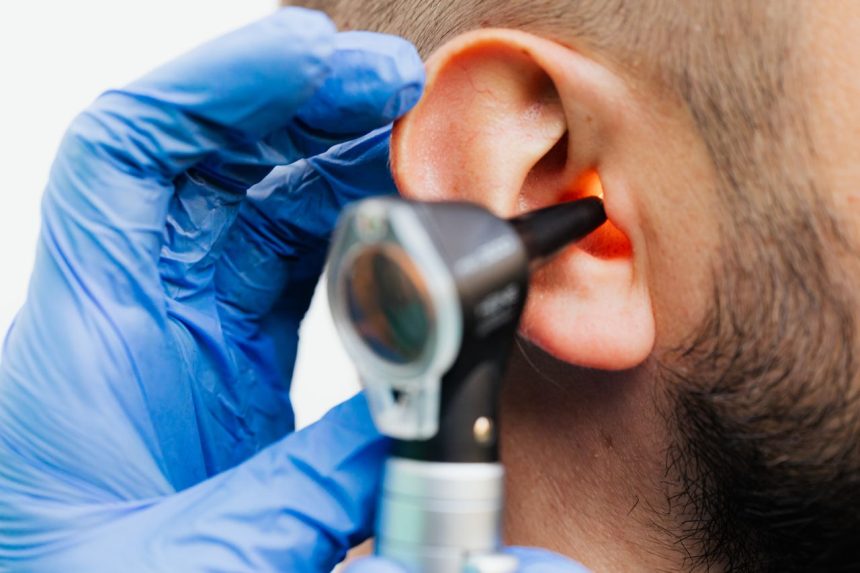
Gene therapy for deafness is changing the way scientists and doctors think about hearing loss. For millions of people around the world, hearing loss is more than just a physical challenge, it affects communication, relationships, and quality of life. Traditional solutions like hearing aids and cochlear implants help manage symptoms. However, they do not fix the root cause. Today, thanks to advances in genetics, researchers are working to repair hearing at the cellular level. This guide explains what gene therapy is, how it works, and why it offers real hope for a permanent solution.
What Is Gene Therapy for Hearing Loss?
Gene therapy is a medical technique that uses genes to treat or prevent disease. In simple terms, it delivers a healthy copy of a broken or missing gene into the body’s cells. When it comes to hearing, the therapy targets the inner ear, specifically the cells responsible for converting sound into signals the brain can understand.
Most genetic deafness happens because a single DNA “instruction” is missing or damaged. By providing the correct instruction, scientists can help the ear function normally again. This is a significant step forward compared to managing symptoms with devices.
How Does Inner Ear Gene Therapy Actually Work?
The Role of the Cochlea and Hair Cells
The therapy focuses on a small, snail-shaped structure called the cochlea, located in the inner ear. Inside the cochlea, tiny sensory cells, called hair cells, convert sound waves into electrical signals. These signals travel to the brain, allowing us to hear. When hair cells are damaged or absent due to a genetic mutation, hearing loss occurs.
Unlike other tissues in the body, the inner ear cannot naturally repair itself. However, this is actually what makes it a good target for gene therapy.
How the Viral Vector Delivers the Gene?
Scientists use a modified, harmless virus, known as a viral vector, to carry the healthy gene into the hair cells. Once inside, the gene begins producing the proteins the ear needs to function. Think of it like installing the right software so that broken hardware can finally work correctly. The process is precise, targeted, and contained within the ear.
Key Breakthroughs in Genetic Hearing Research
One of the most exciting areas of research involves the OTOF gene. Mutations in this gene cause a type of profound deafness from birth. Recent clinical trials have shown that children who received OTOF gene therapy could hear for the very first time, a result that has captured global attention.
| Focus Area | What It Means | Focus Area |
| OTOF Gene Treatment | Restores hearing in children born deaf due to OTOF mutation | OTOF Gene Treatment |
| Hair Cell Regeneration | Aims to regrow damaged hair cells in the cochlea | Hair Cell Regeneration |
| Improved Delivery Methods | New surgical techniques allow precise injection into the inner ear | Improved Delivery Methods |
| Long-term Gene Expression | A single treatment may provide lasting results | Long-term Gene Expression |
Why the Inner Ear Is a Perfect Target for Gene Therapy?
The inner ear has a unique advantage: it is a small, self-contained space. This makes it ideal for gene therapy. Because the treatment stays local, it does not spread to other parts of the body, reducing the risk of side effects.
- Targeted treatment: Doctors inject the therapy directly where it is needed.
- Long-lasting results: A single treatment could potentially last a lifetime.
- Minimal side effects: Because the treatment stays in the ear, it does not affect the rest of the body.
- Suitable environment: The inner ear’s contained structure allows for precise, controlled delivery.
These benefits make inner ear gene therapy one of the most promising fields in modern medicine.
Current Challenges and What’s Next
Progress is real, but challenges remain. Currently, most approved therapies target monogenic deafness, hearing loss caused by a single gene mutation. Many adults, however, lose hearing due to a combination of aging, loud noise exposure, and multiple genetic factors. These complex cases are harder to treat.
Additionally, timing matters greatly. Many therapies work best when administered early in life, while the auditory system is still developing. Researchers are actively working to extend these treatments to older patients, but this requires further study.
Despite these challenges, the pace of progress is encouraging. New clinical trials are being launched globally, and funding for genetic hearing research is growing every year.
Key Facts About Hearing Loss You Should Know
| Statistic | Detail |
| Over 5% of the world’s population | Requires rehabilitation for disabling hearing loss (WHO) |
| 50%–60% of childhood deafness | Has a genetic cause |
| Over 400 million people | Are affected by hearing loss globally |
| Early intervention | Significantly improves speech and language development |
| Cochlear implants | Help, but do not address the underlying genetic issue |
The Future of Gene Therapy for Deafness
The future looks genuinely promising. Scientists are moving beyond proof-of-concept studies toward real treatments that can help real people. As technology advances, gene therapy for deafness may shift from a rare procedure to a standard treatment option available worldwide. Moreover, with better gene-editing tools like CRISPR, the possibility of correcting faulty genes directly, rather than just adding healthy ones, is also becoming more realistic.
In conclusion, gene therapy for deafness represents one of the most meaningful advances in hearing science today. It offers something that hearing aids and cochlear implants cannot: a chance to fix the problem at its biological source. While challenges remain, the progress made in just the past few years is remarkable. For millions of people living with genetic hearing loss, this research is not just science, it is the sound of real hope.