
A retail expansion announcement is easy to write. A brand launches at a new chain, issues a release, and moves on to the next one. What that kind of announcement leaves out is everything that had to happen first: years of a small brand proving itself before a major retailer would ever take the risk of stocking it. Levels Protein spent years doing that unglamorous work before its retail expansion ever became a headline.
Turning Down the Easy Yes
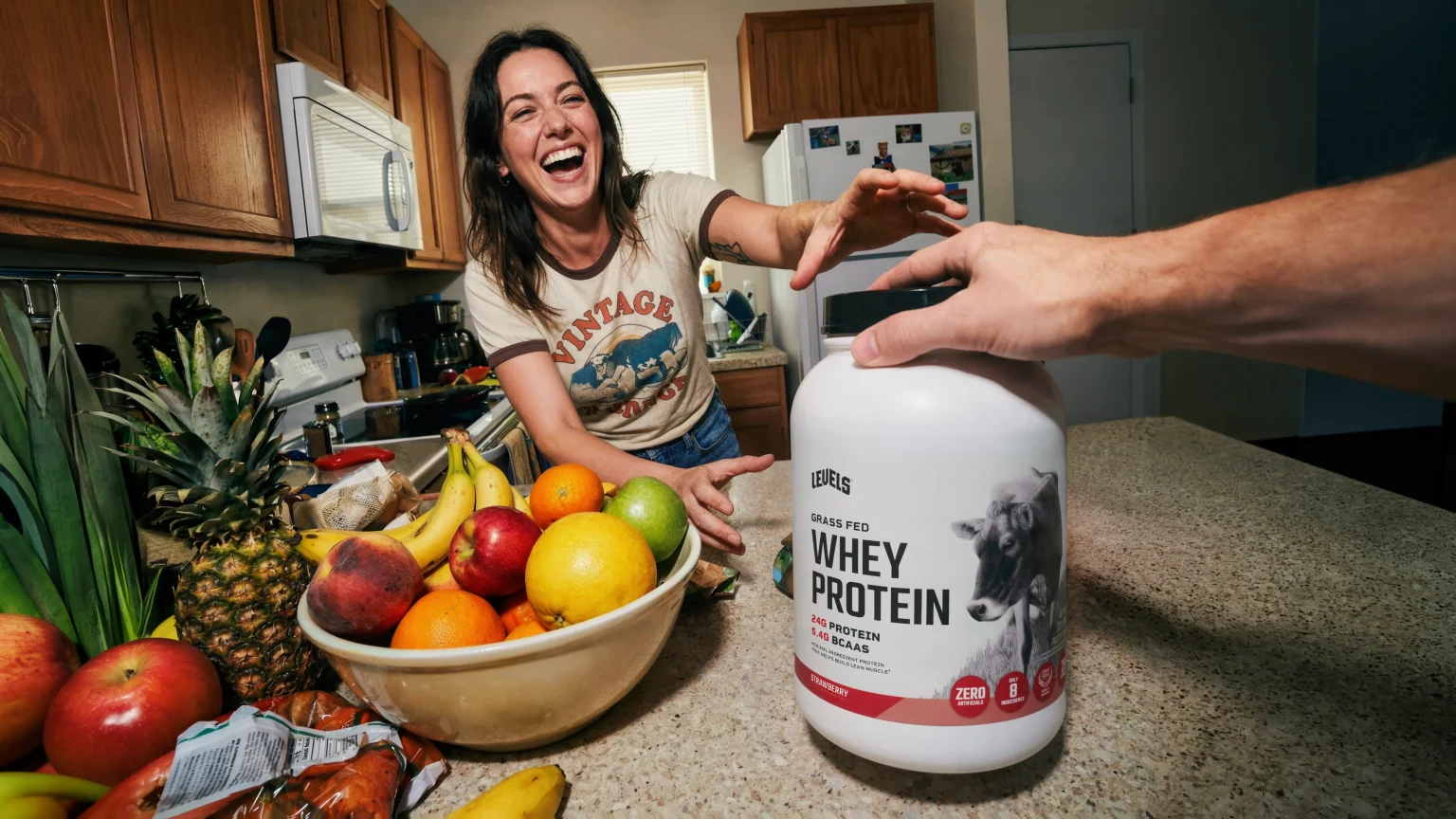
The fastest way for a young supplement brand to hit an attractive price point is usually to cut something: swap in cheaper fillers, stretch the ingredient list, chase margin instead of quality. Levels went a different direction early on, building its formulas around a short, deliberately simple ingredient list instead of padding them out to hit a lower cost per unit.
That decision could cause growth to be slower. A cleaner formula is more expensive to produce, harder to price competitively, and offers none of the shortcuts a company under pressure to scale quickly might otherwise take. But it’s also the kind of decision that becomes an asset later, once a company is trying to convince a major retailer to trust it with permanent shelf space instead of a short trial run. Retailers don’t just stock any product. They want consistency, both in the product itself and in whether customers will actually buy it and keep buying it.
Why the Big Retailers Matter
Getting into a major retail chain isn’t primarily a prestige move. It’s a convenience one, and that’s why it matters so much for a brand trying to build lasting reach. A customer who has to seek out a niche brand online, place a special order, or remember to restock separately from their usual shopping trip is a customer who might eventually stop bothering. A customer who sees that same brand sitting on the shelf during a normal supermarket run doesn’t have to think about it at all.
Levels’ retail footprint shows how much ground that shift can cover. The brand’s presence has expanded from a single regional debut to a footprint spanning Target, Costco, Walmart, Kroger, Meijer, Wegmans, H-E-B, and Amazon. The company is projecting more than 10,000 retail locations by the end of 2026.[1] That means Levels is no longer competing for attention from a niche audience already looking for it. It’s sitting on the same shelf as the multinational-backed brands it’s up against, in front of shoppers who weren’t necessarily looking for it at all.
Founder-Led, Still Scaling
What makes this expansion notable isn’t just the pace. It’s that Levels has scaled this far while remaining founder-led, without the corporate backing most of its shelf competitors rely on to fund that kind of retail push. Blake Niemann, who built the company around a short ingredient list a decade ago, is still running it now, at a scale where cutting corners would be far easier to justify and far harder to notice.
That combination, real growth without giving up the standards that made the growth possible in the first place, isn’t especially common at this scale. It suggests the two things aren’t in tension for Levels so much as connected: the retailers saying yes now are largely responding to the same discipline that made the brand worth trusting in the first place.
What Happens Next?
It’s a fair question to ask as any founder-led brand grows this fast: what comes after this kind of retail expansion? Brands at this stage usually head down one of a few paths, staying fully independent, bringing on a growth investor, or eventually joining a larger company that wants a trusted name in its portfolio.
Right now, Levels is still built around the same short ingredient list it started with, and still run by the person who set those rules in the first place. Whatever comes next for the brand –- another retail chain, a new partner, or simply more of the same –- that’s the track record it’ll be building on.