

The AB InBev Sustainability Shift is one of the boldest corporate green plans in the world today. As the largest beer company on the planet, Anheuser-Busch InBev knows that a healthy environment is not optional, it is essential. Without clean water and rich soil, there is simply no beer. Therefore, the company has put sustainability at the very center of its business plan, not just its marketing.
Why Sustainability Matters More Than Ever For Big Brewers?
Climate change is putting pressure on key brewing ingredients like barley and hops. Unpredictable weather is making harvests less reliable every year. As a result, AB InBev has taken early, decisive action. The company is investing in smart farming technology to help farmers grow better crops with less water. This is not charity, it is smart business planning for a warming world.
Moreover, consumers aged 18-55 in the USA and beyond now actively choose brands that care about the planet. In fact, Nielsen research shows that over 70% of global consumers consider sustainability when making a purchase. Consequently, going green is also a powerful way to build customer loyalty.
The Four Pillars of the AB InBev Sustainability Plan
The company organizes its entire sustainability strategy around four clear goals, all targeted for 2025. Here is a quick overview:
| Pillar | 2025 Goal | Key Actions |
| Smart Agriculture | 100% of farmers skilled in sustainable practices | Tech tools, better seeds, data-driven farming |
| Water Stewardship | 100% of communities near breweries have safe water | Restore watersheds; cut water use per beer made |
| Circular Packaging | 100% returnable or recycled packaging | Recycled glass, aluminum, compostable rings |
| Climate Action | 100% renewable electricity at all plants | Wind and solar power; 25% value-chain carbon cut |
Smart Agriculture: Helping Over 20,000 Farmers
One of the most impressive parts of the AB InBev Sustainability Shift is its work with farmers. The company uses data and modern technology to support more than 20,000 farmers across the globe. These farmers receive better seeds, access to weather data, and training in water-efficient growing methods. This program directly protects the supply chain, ensuring that quality ingredients remain available even as climate patterns shift.
Additionally, this approach strengthens local farming economies. When farmers earn more and waste less, entire communities benefit. That is a win for both business and society.
Leading on Water Stewardship in High-Risk Regions
Water is the number one ingredient in every beer. However, billions of people around the world face water scarcity. To address this directly, AB InBev has significantly reduced the amount of water needed to produce each liter of beer. Furthermore, the company works with local partners in high-risk areas across Africa and South America to restore watersheds and improve community water access.
This approach goes beyond the brewery. It ensures that local families have enough water for cooking, drinking, and farming, not just for making beer.
Switching to 100% Renewable Electricity
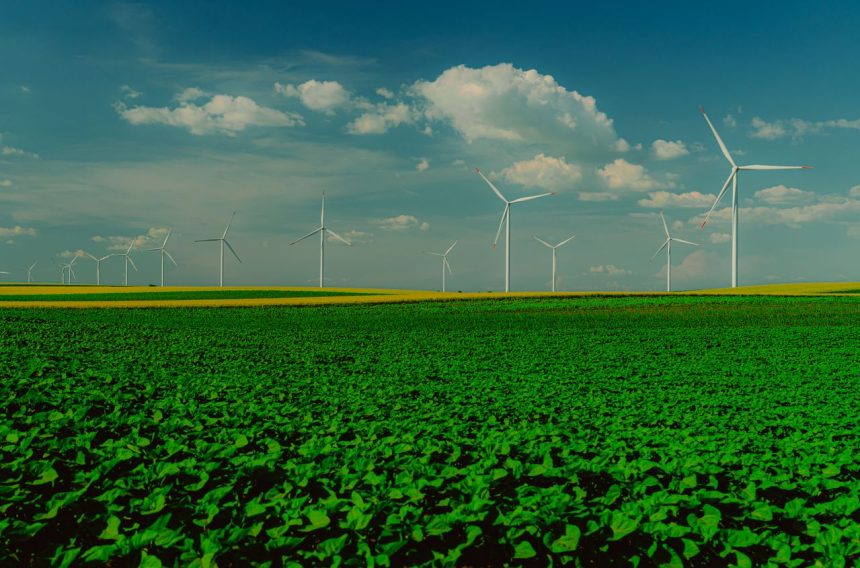
Energy is a major cost and a major polluter in the brewing industry. Historically, breweries relied heavily on fossil fuels. Now, thanks to the AB InBev Sustainability Shift, that is changing fast. In the United States, Budweiser is already brewed using 100% renewable wind electricity. This move alone cuts thousands of tons of carbon emissions per year.
Moreover, the company is on track to reduce carbon emissions across its full value chain by 25%. This includes transportation, packaging, and ingredient sourcing, not just what happens inside the brewery.
Rethinking Packaging with a Circular Model
Packaging is one of the biggest sources of waste in the food and drink industry. Therefore, AB InBev is redesigning how its products are packaged from the ground up. The company now focuses on a “circular” model, where materials are reused or recycled rather than thrown away.
- Recycled content: More glass bottles and aluminum cans now include a higher percentage of recycled materials.
- Lighter bottles: Reducing bottle weight cuts fuel use during transport, lowering emissions further.
- Compostable rings: Plastic six-pack rings are being replaced with fully compostable alternatives.
Does Going Green Actually Save Money?
Some business leaders assume that sustainability is just an extra cost. However, the evidence says otherwise. Using less water lowers utility bills. Sourcing recycled materials can cost less than buying new raw materials. Additionally, renewable energy contracts often lock in lower electricity prices over the long term. Therefore, green practices are not just ethical, they make solid financial sense too.
According to McKinsey sustainability research, companies that embed environmental goals into their core strategy consistently outperform competitors over a 10-year period. AB InBev is a clear example of this trend in action.
Building Trust With Today’s Eco-Conscious Consumers
Today’s beer drinkers, especially millennials and Gen Z in the 18-55 age group, care deeply about who makes their products and how. Because of this, AB InBev shares regular sustainability progress reports and posts updates across social media. This transparency helps consumers feel proud of the brands they choose, and it builds long-term loyalty in a competitive market.
Conclusion: A Greener Future, One Beer at a Time
The journey to full sustainability is long. However, every step counts. The AB InBev Sustainability Shift shows that even the world’s largest brewer can make bold, meaningful changes. Through smart farming, clean water projects, renewable energy, and better packaging, the company is proving that profit and planet can go hand in hand. If a company this big can change course, so can the rest of the industry.