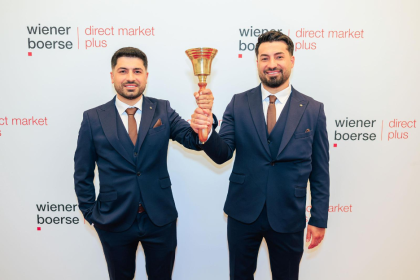

Darragh de Stonndún spent 25 years as an engineer before he ran a company. The habit never left him. He still judges everything by whether it actually works.
Today he leads AIR. The engineering group has grown across three countries and serves manufacturers. That puts him in the middle of the loudest sales pitch in industry right now. Everyone wants to sell AI for the factory floor.
His view of it is colder than the pitches. It is also more useful.
“A demo proves something can work once,” he says. “Production proves it keeps working when nobody is watching.”
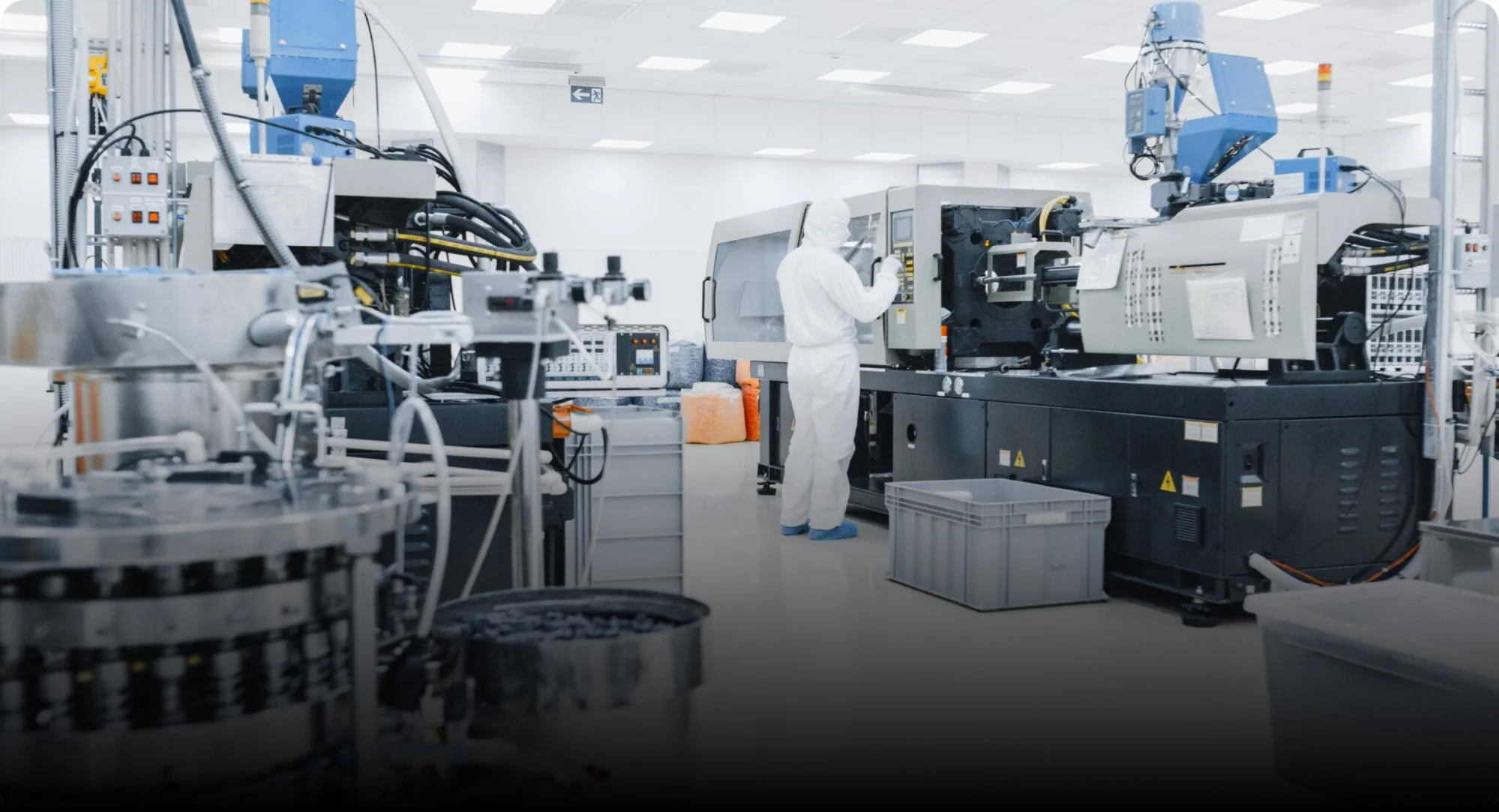
Most factory AI projects die between those two sentences. A demo runs on clean data in perfect conditions while a friendly engineer stands next to the machine. A real production line offers none of that. Shifts change. Dust settles. New products arrive and sensors drift. Somebody has to fix the system at 3am.
So AIR holds every system to one standard.
“Right, or not at all,” de Stonndún says. “If a system can’t explain how it fails and who owns it when it does, it isn’t ready.”
That filter decides what he actually deploys. The AI producing real results today is narrow and unglamorous. Cameras inspect every part. Software watches process data for anomalies. Models flag rotating equipment before it fails. None of it is trying to run the whole factory. Each one answers a single question clearly. Each one uses data the plant already collects. And a person still owns the decision.
The same insistence on ownership shapes how he leads. Problems used to land on his desk in AIR’s early days. He decided that could not scale.
“I’ve asked every leader at AIR to be able to answer three questions at any moment: what are you working on, why does it matter, and what outcome are you driving,” he says. “When people can answer those, they don’t need permission to act.”
His job now is building leaders who make good decisions without him in the room.
Failure gets the engineering treatment too. He separates what happened from who was involved. Most failures are a process working exactly as it was designed.
The company’s most important value is Misneach. The word is Irish for courage. Part of that courage is putting your hand up.
“Mistakes are how an engineering company learns. The one thing that isn’t acceptable is hiding one, because that’s the only kind of mistake that grows.”
He applies the same principle to the machines. A system that cannot admit how it fails is not ready for production. Neither is a culture.
Manufacturers are about to spend enormous money on AI. Much of it will go to projects that never survive a real production line. De Stonndún’s filter costs nothing.
Does it keep working when nobody is watching? When it fails, does someone put their hand up?
If the answer to either is no, it is not ready. Right or not at all.