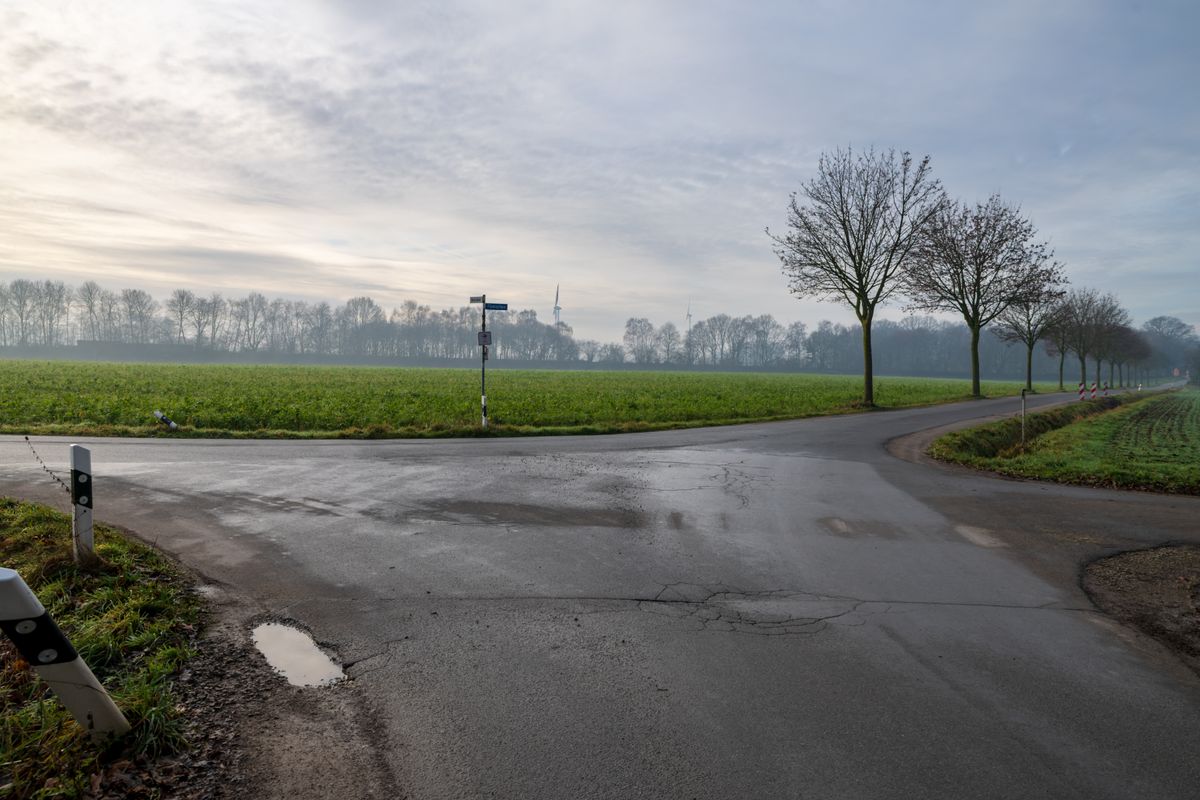

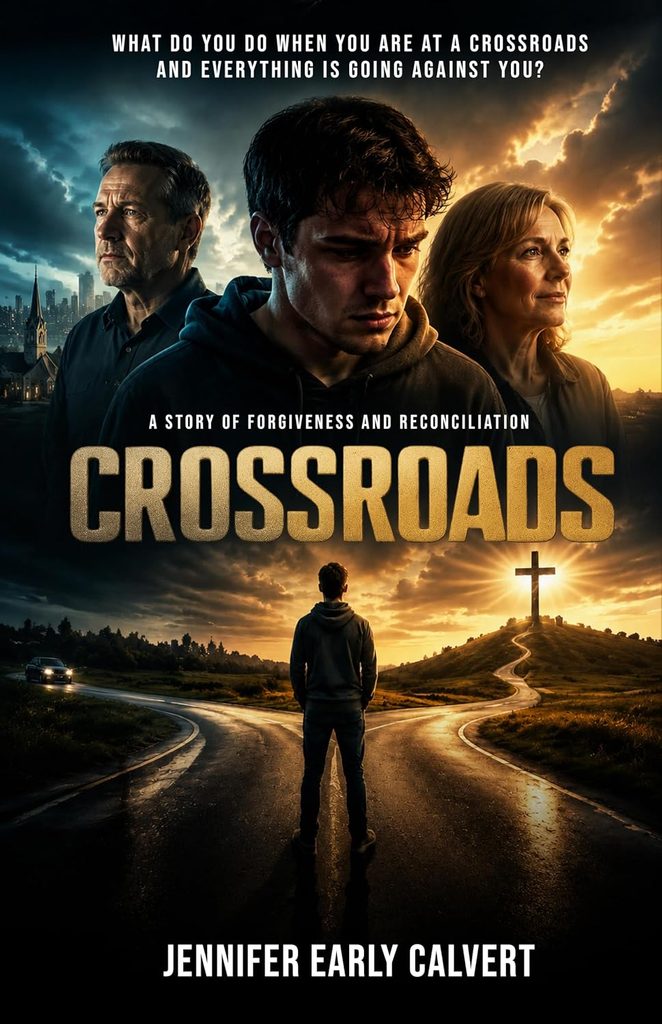
Some novels ask what a person will do when everything is going right. Crossroads asks the harder question: What happens when a single decision collapses the future someone believed was guaranteed?
Kyle Johnson is a graduating senior at Harrington Military Academy, a battalion commander, an accomplished soccer player, and a Citadel recruit with a full athletic scholarship. He can already picture the cockpit, the uniform, and the approval he has spent years trying to earn. Then, after drinking, Kyle gets behind the wheel. The crash that follows leaves grief, legal consequences, and broken trust in its wake.
“What do you do when you are at a crossroads and everything is going against you?”

The Future He Thought Was Certain
Calvert begins with momentum. Kyle’s life appears mapped: graduate, play soccer at The Citadel, train toward aviation, and step into adulthood carrying the expectations of a prominent family. His confidence is real, but so is the pressure beneath it. Achievement has become more than success; it has become evidence that he is worthy of his father’s pride.
That tension gives the novel its emotional center. Crossroads is not simply about a bad choice. It is about the forces that gather around a choice—peer influence, alcohol, pride, fear, strained communication, spiritual expectations, and the dangerous belief that consequences happen only to other people.
Inside This Feature
| 01 A future built on talent and pressure | 02 The cost of one reckless decision |
| 03 A family divided by judgment and grace | 04 Forgiveness without erased consequences |
| 05 Faith, recovery, and renewed purpose | 06 Where to read, watch, and connect |
Characters Caught in the Same Collision
Kyle is the moral center of the story, but the book’s questions radiate outward. Pastor Tom Johnson, Kyle’s father, must face the distance between public faith and private pain. Ann Johnson tries to hold compassion and responsibility in the same room. Brent and Jon represent friendship, loyalty, and the young lives caught in Kyle’s orbit. Brie carries the complicated perspective of someone who knows Kyle before and after the crash, while Jackie—Brent’s mother—embodies a grace that refuses easy explanation.
These characters do not function as simple symbols. Each has something to lose, something to defend, and a decision to make about what justice, mercy, and love require. Their competing responses keep the novel grounded in human conflict rather than easy moral answers.
| A novel for meaningful conversation |
|---|
Crossroads offers discussion points for young adults, parents, educators, counselors, church groups, and readers interested in faith, responsibility, grief, and second chances. |
| Explore the author’s website |
Accountability Is Not the Opposite of Grace
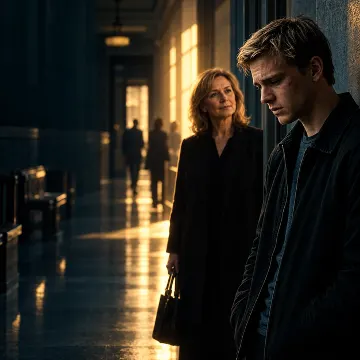
The strongest tension in Crossroads lives between two ideas that are often treated as rivals: accountability and forgiveness. Calvert does not use faith to excuse harm, soften responsibility, or make grief disappear. Kyle’s choice carries legal, relational, emotional, and spiritual consequences. The people around him must decide whether mercy means denying those consequences—or meeting him inside them.
That distinction matters. The novel asks whether a person can be fully responsible for devastating harm and still remain worthy of truth, guidance, love, and the chance to serve. It also considers what forgiveness costs the injured, the grieving, and the family members who must live with what cannot be undone.
A Father’s Faith Under Pressure
Pastor Tom is accustomed to offering moral clarity from the pulpit. At home, however, his son’s failure exposes wounds that certainty alone cannot heal. His conflict with Kyle turns Crossroads into more than a cautionary tale about drunk driving. It becomes a study of fatherhood, disappointment, reputation, fear, and the gap between preaching grace and practicing it when the pain is personal.
The Manuscript’s Central Themes
| Responsible choices The irreversible reach of alcohol, driving, and peer pressure. | Grief and guilt The difference between remorse that destroys and remorse that changes. |
| Faith under strain Belief tested in hospitals, courtrooms, homes, and silence. | Forgiveness Mercy that acknowledges the truth instead of avoiding it. |
| Family reconciliation The work of speaking honestly after trust has fractured. | Purpose after failure The possibility that a ruined plan is not the end of a useful life. |
When Regret Becomes a Responsibility

Without revealing where Kyle’s journey ultimately leads, Crossroads places him before a choice larger than self-pity. He cannot recover the version of life he had planned. He can, however, decide what to do with the truth of what happened. That is where Calvert’s story moves beyond punishment and toward purpose.
The question is not whether Kyle can make everyone forget. He cannot. The question is whether he will allow guilt to become another form of self-absorption—or accept the difficult work of telling the truth, changing his actions, and using his experience to protect others from repeating it.
Why the Story Resonates Now
For families and youth leaders, the novel creates room for conversations that can be difficult to begin directly: How do young people respond to social pressure? What does responsible freedom look like? Can a parent condemn an action without abandoning a child? What does forgiveness require—and what does it never require? How can faith remain honest in the presence of grief?
| WATCH THE CROSSROADS VIDEO |
|---|
Enter the world of the story through the official Crossroads video, featuring its themes of consequence, faith, forgiveness, and a different road forward. |
| Watch on YouTube |
Direct video link: https://www.youtube.com/watch?v=bbv_0FvcUsI&t=1158s
Jennifer Early Calvert Writes Toward Restoration

Calvert brings a counselor’s attention to emotional consequence and a faith-informed interest in restoration. Her storytelling focuses on people whose worst moments do not tell the whole truth about who they are—or who they may still become.
In Crossroads, that perspective shapes a story willing to remain with discomfort. The novel does not hurry past grief, reduce faith to slogans, or offer reconciliation without truth. Its hope is earned through responsibility, humility, compassion, and the courage to choose differently.
Read Crossroads
| Choose Your Reading Destination |
|---|
Discover a Christian coming-of-age drama about one devastating choice, the people left to carry its weight, and the difficult road from guilt toward purpose. |
| Amazon • Barnes & Noble • Official Website |
Connect With Jennifer Early Calvert: Website • Threads • IMDb • Crossroads Video