Getting a call from an unknown caller can instantly trigger curiosity, caution, or even anxiety. Almost everyone with a smartphone has seen those words light up the screen and wondered what they really mean. Is it a real person, a business, a scammer, or just a technical glitch? Understanding the meaning behind an unknown caller helps you stay informed, protect your privacy, and decide whether answering makes sense.
This in-depth guide explains what unknown caller means, why it happens, how it differs from similar labels, and what actions you should take when you see it on your phone. By the end, you will feel confident handling these calls without stress or confusion.
What Does Unknown Caller Mean
An unknown caller means the phone network cannot identify or display the caller’s phone number. Unlike regular calls where a number or contact name appears, unknown caller shows up when caller identification data is unavailable, blocked, or hidden. This does not automatically mean the call is dangerous, but it does mean the identity of the caller is not visible to you.
In simple terms, your phone receives the call signal, but the information needed to show who is calling is missing. This can happen for several technical and intentional reasons, which makes unknown caller different from many other call labels.
Why Unknown Caller Appears on Your Phone
There are multiple reasons your phone may display unknown caller. Some are completely harmless, while others require caution.
One common reason involves caller ID blocking. Some callers choose to hide their number by using privacy settings or dialing specific codes before making a call. In these cases, the network respects the caller’s request and does not transmit the number to your phone.
Another reason relates to network or carrier limitations. International calls, older phone systems, or certain Voice over IP services may not properly transmit caller ID data. When your carrier cannot interpret the incoming information, your phone defaults to unknown caller.
Technical glitches also play a role. Temporary network issues, software bugs, or outdated phone settings can prevent caller ID from displaying correctly. Even legitimate businesses may appear as unknown caller if their systems are misconfigured.
Read Also: iPhone Stuck on SOS? Causes, Fixes, and Easy Solutions
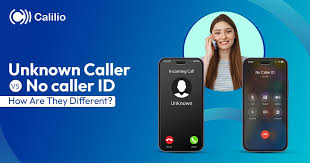
Unknown Caller vs No Caller ID
Many people assume unknown caller and no caller ID mean the same thing, but there is a subtle difference.
No caller ID usually indicates the caller intentionally blocked their number. The network receives the number but is instructed not to show it to the recipient. This is often done by individuals who value privacy or businesses that use private lines.
Unknown caller typically means the number information is not available at all. The call reaches you without any identifiable data attached. This difference matters because unknown caller can result from technical causes, while no caller ID usually involves deliberate blocking.
Understanding this distinction helps you better judge the nature of the call and decide how to respond.
Is an Unknown Caller Dangerous
An unknown caller is not automatically dangerous, but it does carry a higher level of uncertainty. Many scam and spam calls use techniques that hide caller information to avoid detection and call blocking systems. Fraudsters know that anonymity increases their chances of reaching unsuspecting people.
At the same time, there are legitimate situations where unknown caller appears. Doctors, government offices, customer support teams, and delivery services sometimes use systems that do not transmit caller ID properly. Emergency calls routed through specific networks may also show up as unknown.
The key lies in how the call behaves. If the caller pressures you, asks for sensitive information, or creates urgency, caution is essential. Trustworthy callers usually leave voicemails or follow up through official channels.
Common Situations Where Unknown Caller Is Legit
Unknown caller does not always signal a problem. In professional environments, private phone systems are still common. Hospitals and clinics often protect staff privacy by hiding outgoing numbers. Financial institutions may use secure lines that do not display caller ID.
International calls frequently appear as unknown caller due to differences in telecom standards between countries. Some older landline systems also lack the ability to transmit caller identification data properly.
Even friends or family members calling from work phones or temporary devices can appear as unknown caller. Context matters, and recognizing these scenarios helps reduce unnecessary worry.
Why Scammers Use Unknown Caller
Scammers rely on anonymity. Using unknown caller allows them to bypass basic call blocking features and avoid being traced easily. By hiding their number, they make it harder for victims to report them or for carriers to shut them down.
These callers often use social engineering tactics. They may pretend to represent banks, tax agencies, or tech support services. The unknown caller label adds a sense of mystery or authority, increasing the chance someone will answer.
Knowing this pattern empowers you to stay calm and skeptical. Legitimate organizations rarely demand immediate action over the phone without prior communication.
What to Do When You Get an Unknown Caller
When you see unknown caller on your screen, you have full control over how to respond. Letting the call go to voicemail is often the safest option. Legitimate callers usually leave a clear message explaining who they are and why they called.
If you answer and feel uncomfortable, you can hang up immediately. You are never obligated to continue a conversation that feels suspicious. Avoid sharing personal details such as addresses, passwords, or financial information.
Blocking unknown callers through your phone settings can reduce repeated interruptions. Many smartphones also offer features that silence calls from unknown numbers while still allowing voicemails.
How to Protect Yourself from Unknown Caller Scams
Protection starts with awareness. Keeping your phone software updated ensures you have the latest security and call filtering features. Many carriers provide built-in spam detection tools that help identify suspicious calls before you answer.
Registering your number with do not call services can reduce telemarketing calls, though it may not eliminate all unknown callers. Using trusted call blocking apps adds another layer of defense by analyzing call patterns and reporting known scam activity.
Most importantly, trust your instincts. If a call feels wrong, it probably is. Ending the call is always the right move when something does not add up.
Can You Trace an Unknown Caller
Tracing an unknown caller is difficult for individuals. Since the number is not displayed, standard call logs do not provide enough information. However, carriers and law enforcement agencies can sometimes trace calls if there is a serious threat or legal concern.
Reporting suspicious unknown caller activity to your carrier helps improve network-wide protections. Over time, repeated reports can lead to better filtering and fewer unwanted calls for everyone.
Conclusion
Seeing unknown caller on your phone can feel unsettling, but understanding what it means takes away much of the fear. In most cases, it simply indicates missing caller ID information rather than immediate danger. By staying informed, cautious, and confident, you can handle these calls without stress.
Technology continues to evolve, and call identification tools are improving every year. Until unknown caller disappears entirely, knowledge remains your best defense. When you understand the reasons behind it and know how to respond, you stay in control of your communication and your privacy.
FAQs
What does unknown caller mean on a phone
Unknown caller means the phone network cannot display the caller number due to blocked, hidden, or unavailable caller ID information.
Is an unknown caller always a scam
No, unknown callers can be legitimate, but scammers often use hidden numbers, so caution is recommended.
What is the difference between unknown caller and no caller ID
Unknown caller means the number is unavailable, while no caller ID usually means the caller intentionally hid the number.
Should I answer unknown caller calls
It is safer to let unknown caller calls go to voicemail and respond only if the message is legitimate.
Can I block unknown caller calls
Yes, most smartphones and carriers allow you to block or silence calls from unknown callers through settings or apps.