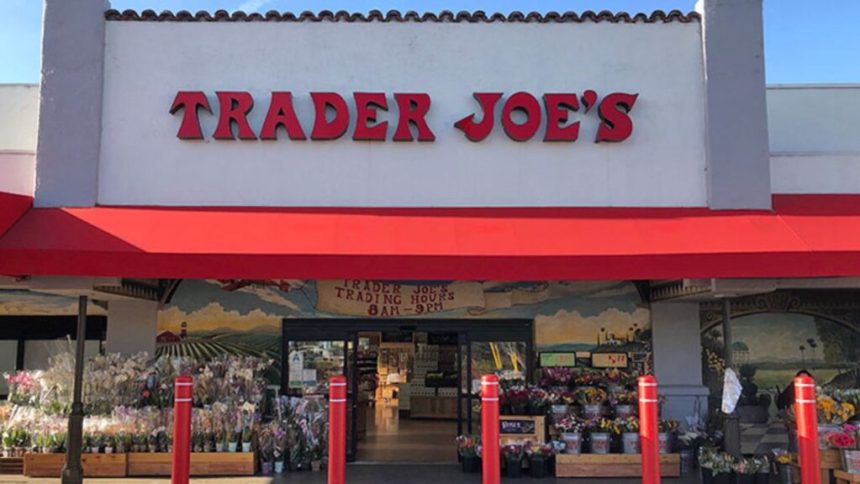
When shoppers ask is Trader Joe’s expensive, they are usually comparing grocery bills, not just prices on shelves. Trader Joe’s has a unique reputation. Some people swear it saves them money, while others feel their total bill climbs faster than expected. The truth sits somewhere in the middle, and understanding it requires looking at pricing, product types, and shopping habits.
This article explores Trader Joe’s costs honestly, using real shopping experience, pricing behavior, and consumer insight.
Understanding Trader Joe’s Pricing Strategy
Trader Joe’s does not price groceries the same way as traditional supermarkets. Instead of endless brand choices, Trader Joe’s focuses on private label products. Nearly everything on the shelf carries the Trader Joe’s name.
This approach reduces marketing costs, middlemen, and brand markups. Those savings often show up in lower prices for certain categories. However, fewer choices also mean fewer ultra budget options, which can affect the final grocery total.
Is Trader Joe’s Expensive Compared to Regular Grocery Stores?
When compared to large national chains, Trader Joe’s pricing often lands in the middle. It is usually cheaper than upscale grocery stores but not always cheaper than discount chains.
Staple items like pasta, rice, eggs, and frozen vegetables are often priced competitively. Specialty snacks, frozen meals, and unique sauces feel affordable for their quality. Fresh produce can vary widely depending on season and location.
Shoppers who buy mostly basics often find Trader Joe’s affordable. Those who fill carts with specialty items may feel the total rising quickly.
Read Also: Best King Size Pillows for Neck Support and Better Sleep
How Private Label Products Affect Cost
Trader Joe’s private label model plays a huge role in how prices feel. Without name brands, customers avoid paying for advertising and packaging markups. Many Trader Joe’s products are manufactured by well known companies under private contracts.
This system creates high perceived value. A product that tastes premium but costs less than a branded version feels like a deal, even if it is not the cheapest option available elsewhere.
Is Trader Joe’s Expensive for Produce?
Produce prices at Trader Joe’s are mixed. Some fruits and vegetables cost less than competitors, while others cost more. Pricing depends heavily on season, sourcing, and packaging.
Trader Joe’s often sells produce in pre packaged quantities. For small households, this can feel convenient. For larger families, it may limit flexibility and increase cost per item.
Quality is usually consistent, which adds value. Shoppers often pay slightly more for reliable freshness and curated selection.
Meat, Dairy, and Protein Pricing
Meat and dairy pricing at Trader Joe’s often leans higher than discount grocers but lower than organic focused markets. Many meat products emphasize quality, ethical sourcing, or minimal processing.
Organic milk, eggs, and yogurt are commonly priced lower than organic equivalents at traditional grocery stores. This makes Trader Joe’s appealing to shoppers who prioritize quality but want reasonable pricing.
Frozen Foods and Ready Meals Value
Frozen foods are one of Trader Joe’s strongest value categories. Many frozen meals, vegetables, and snacks cost less than similar items at other grocery stores.
These products save time and reduce food waste, which indirectly saves money. For busy households, this convenience plays a big role in perceived affordability.
Is Trader Joe’s Expensive for Healthy Eating?
Eating healthy at Trader Joe’s can be affordable if choices focus on whole foods. Fresh produce, lean proteins, nuts, and grains offer good value for quality.
The challenge comes from impulse buys. Trader Joe’s is known for unique snacks, seasonal items, and limited time products. These add excitement but also increase grocery totals quickly.
Shoppers who stick to a list often spend less than expected. Those who browse freely may leave with a higher bill.
Location and Regional Price Differences
Trader Joe’s prices vary by region. Stores in urban areas or high cost of living regions often charge more than suburban locations. Rent, transportation, and labor costs influence shelf prices.
Despite regional variation, Trader Joe’s generally maintains consistent pricing structures compared to many competitors.
Shopping Habits That Affect Perceived Cost
Perception of expense depends heavily on how people shop. Trader Joe’s rewards intentional shopping. Customers who plan meals, limit impulse purchases, and focus on staples usually feel satisfied with prices.
Because the store layout encourages discovery, it is easy to add extras. Those extras often explain why some shoppers feel Trader Joe’s is expensive.
Is Trader Joe’s Cheaper Than Whole Foods?
Trader Joe’s is almost always cheaper than Whole Foods for comparable items. While both emphasize quality and unique products, Trader Joe’s keeps prices lower through private labels and smaller store footprints.
For shoppers choosing between the two, Trader Joe’s typically offers better value for everyday groceries.
Why Some Shoppers Think Trader Joe’s Is Expensive
The lack of ultra cheap generic options can make Trader Joe’s feel expensive for strict budget shoppers. There are fewer bulk items and fewer bottom tier price points.
Another factor is packaging size. Some items cost more per unit because they come in smaller or specialty portions.
Trust, Quality, and Value Perspective
Trader Joe’s builds trust through consistent quality and transparency. Ingredient lists are simple, artificial additives are limited, and product testing standards are high.
This trust adds value that does not always show on a receipt. Many shoppers feel comfortable paying slightly more for products they trust.
Expert Insight on Grocery Cost Perception
Consumer behavior studies show that store environment influences spending. Trader Joe’s friendly atmosphere and curated selection increase enjoyment, which can soften price sensitivity.
This does not mean prices are inflated. It means the experience changes how cost is perceived.
Conclusion
So, is Trader Joe’s expensive? The honest answer is it depends on what you buy and how you shop. Trader Joe’s is not the cheapest grocery store, but it is rarely overpriced for the quality offered.
For shoppers who value unique products, consistent quality, and reasonable pricing, Trader Joe’s feels affordable. For those focused strictly on lowest possible cost, other stores may win.
Trader Joe’s succeeds by offering strong value rather than rock bottom prices. When shopping with intention, it remains one of the most balanced grocery options available today.
FAQs
Is Trader Joe’s more expensive than other grocery stores?
Trader Joe’s is usually mid priced, cheaper than premium stores but not as low as discount chains.
Why do some people think Trader Joe’s is expensive?
Limited budget options and impulse buys can raise the total grocery bill.
Is Trader Joe’s cheaper than Whole Foods?
Yes, Trader Joe’s is generally cheaper than Whole Foods for similar items.
Does Trader Joe’s have good prices on organic food?
Yes, organic items at Trader Joe’s are often priced lower than competitors.
Can you shop on a budget at Trader Joe’s?
Yes, planning meals and avoiding impulse purchases keeps costs reasonable.