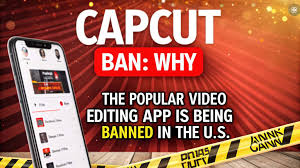
Many creators, students, influencers, and small business owners keep asking one question: is CapCut banned in US? Confusion spread quickly after government action targeted foreign-owned apps. Social media headlines fueled uncertainty. App store removals created panic. Creators worried about losing editing access overnight.
This article explains current legal status, background of controversy, real impact on users, and what future may look like. Information reflects publicly available government statements, legislative updates, technology policy developments, and industry reporting as of 2026. No speculation. No hype. Just clear explanation in plain language.
What Is CapCut and Why Millions Use It
CapCut is a mobile and desktop video editing application developed by ByteDance, the same parent company behind TikTok. App offers powerful editing tools such as trimming, transitions, subtitles, effects, filters, background removal, and AI enhancements.
Content creators prefer CapCut because interface feels simple yet professional. Beginners can produce high-quality videos quickly. Advanced users access layered editing features. Integration with TikTok made workflow smooth for short-form creators.
In United States alone, millions downloaded CapCut for school projects, YouTube Shorts, Instagram Reels, small business marketing, and personal content creation. App became essential creative tool rather than casual entertainment software.
Why US Government Scrutinized CapCut
Concerns did not begin with CapCut itself. Scrutiny focused on ByteDance and its ownership structure. US lawmakers expressed national security concerns related to data privacy, foreign influence, and potential access by foreign governments.
In 2024, Congress passed legislation known as Protecting Americans from Foreign Adversary Controlled Applications Act. Law required certain foreign-owned applications to divest US operations or face distribution restrictions.
Although TikTok received most public attention, legislation also applied to other ByteDance-owned apps, including CapCut. Law targeted ownership structure, not video editing features.
Read Also: Best Gifts for 10 Year Old Boy – Top Fun & Smart Ideas
Was CapCut Removed From US App Stores?
Yes, temporarily.
When compliance deadlines approached in early 2025, enforcement actions affected multiple ByteDance apps. CapCut experienced removal from US versions of major app marketplaces for a period of time. That meant new users could not download app easily through official stores.
However, removal from app store does not automatically mean permanent nationwide ban. It means distribution restrictions applied under regulatory framework.
Many users who already had CapCut installed continued using it without interruption. App functionality remained active for existing installations in most cases.
Is CapCut Fully Banned in United States in 2026?
No, CapCut is not fully banned nationwide for individual consumer use as of 2026.
Important distinction exists between permanent prohibition and regulatory restriction. CapCut has faced distribution limitations connected to ByteDance ownership compliance issues. But ordinary users have not faced criminal penalties for using app.
In practical terms, situation looks like this:
Users who previously installed CapCut often continue using it normally. Some update limitations may apply depending on app store status at given time. New downloads may depend on regulatory developments and marketplace decisions.
Government agencies and certain federal devices may restrict use under internal cybersecurity rules. That differs from blanket ban affecting all private citizens.
Why CapCut Situation Became Confusing
Media headlines simplified complex regulatory issue into one dramatic question: banned or not banned. Reality operates in gray zone between those extremes.
Three factors created confusion.
First, TikTok received intense coverage. Many assumed every ByteDance product faced identical outcome.
Second, app store removals looked dramatic. When users search app and cannot find it, perception of full ban spreads quickly.
Third, political negotiations, executive orders, and legal appeals created shifting deadlines. That uncertainty produced mixed messaging across news platforms.
Understanding difference between legal restriction, app store compliance, and outright federal ban helps clarify situation.
How CapCut Ban Debate Connects to TikTok
CapCut and TikTok share corporate parent ByteDance. Because TikTok became centerpiece of national debate over foreign data access, any related software drew attention.
Lawmakers argued that foreign-owned applications collecting user data could pose security risks. Critics argued concerns lacked public evidence of wrongdoing specific to CapCut editing functions.
TikTok negotiations influenced perception of CapCut status. When TikTok faced potential shutdown, users assumed CapCut would disappear simultaneously.
While regulatory frameworks grouped them under same ownership umbrella, functional differences between social media platform and video editing app remain significant.
Data Privacy and National Security Concerns
US government concerns center on data handling, cross-border data access, and influence risk. Legislators worried that companies headquartered in foreign jurisdictions might face legal obligations conflicting with US privacy expectations.
Supporters of restrictions argue precaution necessary when large-scale user data involved. Opponents argue that broad restrictions risk politicizing technology and harming innovation.
CapCut collects user data typical for creative apps, including account information, device identifiers, and content uploads. Debate focuses less on editing features and more on corporate governance.
No public criminal allegations targeted CapCut editing tools specifically. Issue revolves around ownership structure and data jurisdiction.
Impact on Content Creators and Small Businesses
Creators felt immediate anxiety when removal news surfaced. Many influencers built editing workflow around CapCut templates, subtitle tools, and trending effects.
Small businesses used app for affordable marketing videos. Students relied on it for digital storytelling projects. Freelancers incorporated it into client services.
Temporary app store removal created fear of losing access to saved projects or future updates. Some creators downloaded backup editing apps as precaution.
Uncertainty forced diversification. Many creators began exploring alternative editing platforms to reduce dependency on single foreign-owned service.
Are People Allowed to Use CapCut in US?
Yes, individuals are generally allowed to use CapCut in United States if already installed and accessible.
No nationwide criminal enforcement targets private users. Law addresses distribution, corporate ownership, and compliance requirements rather than punishing everyday creators.
However, institutional environments such as government agencies, military branches, or certain corporate IT systems may restrict app installation on official devices for security compliance reasons.
That policy mirrors restrictions often applied to multiple foreign-developed apps across industries.
What Could Happen Next
Future depends on regulatory negotiation and corporate restructuring. Several outcomes remain possible.
ByteDance could restructure ownership for US operations. US lawmakers could adjust enforcement timelines. Courts could interpret legislation differently. App marketplaces could reinstate full distribution if compliance conditions met.
Technology policy continues evolving rapidly. Geopolitical tensions influence regulatory priorities. CapCut future in US market remains linked to broader digital governance debate.
For now, situation remains stable for most existing users.
Expert Perspective on App Bans and Digital Policy
Technology regulation rarely moves in straight line. National security laws intersect with global tech ecosystems. Decisions affect creators, educators, marketers, and entrepreneurs.
From digital policy standpoint, CapCut case illustrates tension between open internet principles and national security strategy. Governments aim to protect citizens. Creators seek stable tools for expression and business.
Balanced policy requires transparency, technical clarity, and consistent enforcement. Sudden platform disruptions harm small businesses more than large corporations.
Staying informed through official government releases and verified technology reporting remains best approach.
Conclusion
CapCut is not fully banned nationwide for personal use in United States as of 2026. However, regulatory restrictions linked to ByteDance ownership have affected distribution and app store availability at various points.
Existing users typically maintain access. Government devices may restrict installation. Future status depends on legal compliance and policy developments.
For creators relying on CapCut, smart strategy includes backing up projects, monitoring official announcements, and maintaining familiarity with alternative editing platforms.
Technology landscape changes quickly. Clear information reduces panic. Right now, CapCut remains usable for many Americans, even amid ongoing regulatory scrutiny.
If situation changes, updates will likely come through official legislative announcements rather than sudden secret shutdowns. Until then, creators can continue producing content while staying aware of evolving digital policy environment.
FAQs
1. Is CapCut banned in the US in 2026?
No, CapCut is not fully banned nationwide, but it has faced distribution restrictions.
2. Why was CapCut removed from US app stores?
It was affected by US regulations targeting ByteDance ownership and foreign-controlled apps.
3. Can I still use CapCut in the US?
Yes, many existing users can continue using the app without issues.
4. Is CapCut illegal to use in the US?
No, using CapCut as a private individual is not illegal.
5. Will CapCut return fully to US app stores?
That depends on future legal compliance, ownership changes, and US regulatory decisions.