
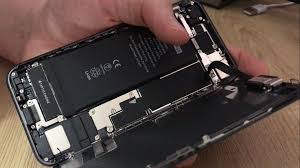
Wondering how much to replace iPhone battery? You are not alone. Battery life remains one of the most common concerns among iPhone users. After two or three years of daily charging, performance drops, unexpected shutdowns appear, battery percentage drains faster than usual. At that point, replacement becomes practical solution.
This guide explains iPhone battery replacement cost, Apple pricing structure, third-party repair options, warranty coverage, performance impact, long-term value. Information reflects current repair industry standards, Apple service policies, technician experience, consumer trends. Goal remains simple: help you make informed, cost-effective decision.
Why iPhone Battery Replacement Becomes Necessary
Lithium-ion batteries degrade over time. Every charge cycle slightly reduces maximum capacity. After roughly 500 charge cycles, battery health typically falls near 80 percent. At that stage, noticeable performance changes begin.
Common signs include rapid percentage drops, overheating during charging, slower device performance, unexpected shutdowns, battery health warning in settings. Apple’s iOS software may even limit peak performance to prevent shutdowns once battery weakens significantly.
Replacing battery restores original capacity, improves performance stability, extends device lifespan without requiring full phone upgrade.
Read Also: Keurig K Mini Coffee Maker Review & Features
How Much to Replace iPhone Battery at Apple
Apple offers official battery replacement service through Apple Stores and authorized service providers. Pricing varies by model category rather than exact generation.
Standard Models Pricing
For standard iPhone models such as iPhone 11, iPhone 12, iPhone 13, iPhone 14 base versions, battery replacement cost generally ranges between $69 and $89 depending on region and model classification.
Older models like iPhone SE, iPhone 8, iPhone X often fall within lower pricing tier.
Pro and Pro Max Models Pricing
Premium models including Pro, Pro Max, Plus variants typically cost more due to larger battery size and internal design complexity. Replacement cost often ranges between $89 and $119.
Newer flagship devices with advanced internal layout may sit at upper end of pricing structure.
AppleCare+ Coverage
If your device carries AppleCare+ and battery health drops below 80 percent, Apple usually replaces battery at no additional cost. That benefit makes extended coverage valuable for heavy users.
Without AppleCare+, standard out-of-warranty fee applies.
Third-Party iPhone Battery Replacement Cost
Independent repair shops often advertise lower pricing than Apple. Typical third-party battery replacement cost ranges from $40 to $80 depending on model and quality of replacement cell.
While savings appear attractive, quality varies significantly. Reputable repair centers use high-grade lithium-ion cells meeting OEM specifications. Lower-cost shops may install generic batteries with shorter lifespan or inconsistent performance.
Choosing certified technicians with positive reviews reduces risk. Improper installation can damage internal components or compromise water resistance.
Factors That Affect iPhone Battery Replacement Cost
Understanding pricing structure helps avoid surprises.
Model generation plays major role. Newer phones require more delicate disassembly, specialized tools, advanced adhesive removal.
Location also affects cost. Major cities often charge slightly higher service fees compared to smaller towns.
Warranty status impacts final bill. Devices under limited warranty or AppleCare+ receive reduced or free replacement depending on battery health percentage.
Urgency may increase cost. Same-day or express repair services sometimes include premium fee.
Is It Worth Replacing iPhone Battery
Many users debate between replacing battery or upgrading device. Financially, battery replacement often represents far more affordable solution.
For example, replacing battery at $89 extends life of phone for another one to two years. Upgrading to new flagship model may cost $800 or more. From cost-benefit perspective, battery replacement delivers strong value when device still performs adequately.
Performance improvements after battery replacement often surprise users. Sluggish interface, lag during multitasking, sudden shutdown issues frequently disappear once fresh battery installed.
If device suffers from additional hardware problems such as cracked display, damaged charging port, outdated storage capacity, upgrade might make more sense.
How Long iPhone Battery Replacement Takes
Official Apple Store battery replacement typically completes within one to two hours if appointment scheduled and parts available. Mail-in service may take several business days including shipping time.
Third-party repair shops often complete service within 30 to 60 minutes.
After installation, technicians run diagnostic tests to confirm proper calibration, charging function, battery health recognition within iOS settings.
Risks of Delaying Battery Replacement
Continuing to use degraded battery carries minor but noticeable risks. Unexpected shutdowns may interrupt calls, navigation, payments. Swollen batteries can push against screen internally, creating display separation.
While rare, severely degraded lithium-ion cells may overheat. Replacing battery at appropriate time prevents internal pressure damage.
iOS displays battery health percentage under settings. Once capacity drops below 80 percent, performance management may activate automatically.
DIY iPhone Battery Replacement Considerations
Online tutorials and battery kits make do-it-yourself replacement appear simple. However modern iPhone models include delicate connectors, adhesive strips, waterproof seals.
Opening device without proper tools may crack screen or damage internal ribbon cables. Additionally, unofficial replacement may trigger unknown battery warning within settings for certain models due to microcontroller authentication.
Professional service ensures correct installation, safe disposal of old battery, preservation of device integrity.
How to Check iPhone Battery Health
Checking battery health requires navigating to settings, battery section, battery health and charging. Maximum capacity percentage indicates remaining health compared to new condition.
Above 90 percent typically means battery remains strong. Between 80 and 89 percent suggests moderate wear. Below 80 percent indicates recommended replacement.
Peak performance capability section reveals whether performance management activated.
Monitoring this metric helps decide appropriate timing for replacement.
Environmental Benefits of Battery Replacement
Replacing battery instead of purchasing new device reduces electronic waste. Smartphone production consumes significant raw materials including lithium, cobalt, rare earth metals.
Extending device lifespan supports sustainability goals, lowers carbon footprint associated with manufacturing, shipping, packaging.
Apple and certified service providers recycle old batteries responsibly, recovering valuable materials.
Expert Recommendation Based on Usage Patterns
Heavy users charging phone multiple times daily may require battery replacement within two years. Moderate users may reach replacement threshold closer to three years.
If device still receives software updates, runs smoothly, meets storage needs, battery replacement remains practical investment.
From repair industry perspective, most iPhones operate reliably for five or more years when battery replaced once or twice.
Comparing Cost to New iPhone Purchase
Let’s consider practical comparison. Suppose battery replacement costs $89. New mid-range iPhone costs around $799. Financial difference equals $710. If replacement extends device usability for additional two years, annual cost equals roughly $45 per year.
Upgrading annually dramatically increases long-term spending.
However if device lacks 5G capability, advanced camera features, or storage capacity required for work, upgrade may justify expense.
Decision ultimately depends on balance between performance expectations and budget priorities.
Frequently Asked Questions About iPhone Battery Replacement Cost
Many users ask whether battery replacement deletes data. Professional service does not erase data, though backup remains recommended before any repair.
Another common question involves water resistance. Apple replaces internal waterproof seal during official service. Third-party shops may not fully restore original rating.
Users also ask whether replacement improves speed. In many cases yes, especially if performance throttling occurred due to degraded battery.
Conclusion
So how much to replace iPhone battery in 2026? Expect official Apple pricing between $69 and $119 depending on model. Third-party repair may cost between $40 and $80, though quality varies.
For majority of users, battery replacement offers cost-effective way to extend device lifespan, restore performance, improve reliability without major investment.
Before making decision, check battery health percentage, evaluate overall device condition, compare repair cost against upgrade budget. With accurate information, replacement often emerges as smart, economical choice keeping iPhone running smoothly for years ahead.
FAQs
1. How much does Apple charge to replace an iPhone battery?
Apple charges $69–$119 depending on the iPhone model and generation.
2. Can third-party shops replace iPhone batteries cheaper?
Yes, prices range from $40–$80, but quality and warranty may vary.
3. How do I know if my iPhone battery needs replacement?
Check Battery Health in Settings. Below 80% capacity indicates replacement recommended.
4. Will replacing the battery improve iPhone speed?
Yes, replacing a degraded battery can restore full performance and prevent throttling.
5. Is DIY iPhone battery replacement safe?
DIY replacement carries risk of damage, lost water resistance, and battery warnings; professional service is safer.