The phrase “I’m Just a Bill” lives in the minds of many who grew up watching educational shows, but the idea behind it remains deeply relevant. The path from a simple idea to a fully approved law shapes daily life, national policy, and the systems that keep society functioning.
When people discuss lawmaking, it can feel complicated. Yet the journey is easier to understand when explained in a straightforward way. That is exactly what the original “I’m Just a Bill” animation accomplished: it turned a complex political process into a relatable story.
Today, understanding this process still matters. People engage with issues that affect communities, workplaces, education, health care, and more. Knowing how a bill becomes law empowers citizens to participate more effectively in government by contacting representatives, voting with intention, and following policy debates with greater insight.
The Origin and Purpose of “I’m Just a Bill”
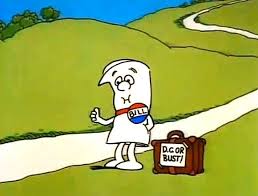
“I’m Just a Bill” comes from the classic Schoolhouse Rock series created to teach children about government, grammar, math, and science. Through catchy music and charming animation, the series made difficult topics easy to grasp. The “Bill” character sits on Capitol Hill, explaining how he transforms from an idea into an active law. This simple narrative created a cultural reference point that many adults still remember today.
Although the cartoon was created for younger audiences, it holds surprising depth. The story highlights patience, persistence, cooperation, and the importance of public involvement. It reflects the government’s structure and the intricacies of a system built to encourage careful thought rather than rushed decisions.
Why the Journey of a Bill Matters Today
Understanding the life cycle of a bill is vital for anyone who wants to engage with civic issues. When people understand the process, they can communicate more clearly with lawmakers, advocate for issues that matter, and follow policy development more closely. Knowledge also reduces confusion when news outlets discuss debates, amendments, or procedural delays.
In modern times full of fast information, slow lawmaking might seem frustrating. Yet the purpose behind the steps is to ensure fairness, representation, and protection from impulsive decisions. Knowing the process gives people patience as they watch issues move through Congress and confidence that each stage exists for a reason.
From an Idea to a Bill: The Start of the Journey
Every bill begins as an idea. Sometimes a citizen proposes it. Sometimes lawmakers identify a need. Sometimes organizations raise concerns about existing laws. The origin can differ, but the spark comes from a real need for change or improvement.
Once an idea gains support, a legislator writes it into a formal proposal. At this point, the proposal becomes an official bill. This written form outlines the purpose, the intended effect, and the changes it seeks to bring to the legal structure. The bill receives a number and enters the legislative system, beginning the long journey toward approval.
The Introduction Stage
A bill must be introduced to Congress by a representative or senator. The chamber where it enters first plays a key role in shaping its future. If the bill enters the House, the process begins with committees focused on specific policy areas.
If the bill enters the Senate, similar committees review it. This first introduction marks the bill’s initial step from an idea into a piece of formal public business.
The introduction stage is crucial because lawmakers now see the bill, analyze it, and decide whether it has enough merit to move forward.
Read Also: Toyota Tacoma 2024 Price Guide & Trim Breakdown
The Committee Review
Committees hold significant power in shaping the fate of a bill. They review the text, debate its purpose, consider public input, and examine possible consequences. Committees can revise the bill, suggest changes, or reject it entirely. Many bills never progress beyond this stage because committees filter out proposals that lack strong support.
If a bill survives committee review, it gains momentum. Lawmakers now view it as a strong candidate for broader debate. This stage reflects the importance of expertise because committees typically include members familiar with the subject matter.
Debates and Voting: The Bill Faces the Chambers
Once a committee approves a bill, it moves to the full chamber for debate. Lawmakers discuss potential benefits, drawbacks, and impacts. They propose amendments, offer revisions, and attempt to strengthen the bill before voting.
The House and the Senate must approve the bill separately. If both chambers agree on the same version, the bill can move forward. If they pass different versions, a joint committee works to reconcile differences. Agreement between chambers ensures that the law represents the wishes of both legislative bodies.
The Bill Reaches the President
After both the House and the Senate approve a bill, it moves to the final stage: the President. The President reviews the bill and has several options. They may sign it, turning it into law. They may veto it, sending it back to Congress with objections. In some cases, Congress can override a veto with strong enough support.
This final step ensures multiple layers of review, making sure the law aligns with national interest. Presidential review also reflects the balance of power that defines the government structure.
How “I’m Just a Bill” Helps Explain Democracy
The song simplifies the process but retains its core message: lawmaking requires patience, teamwork, and persistence. The cartoon bill expresses frustration over waiting on Capitol Hill, but he also shows determination. That determination teaches viewers that government takes time because decisions affect millions of people.
People still remember the melody today because it blends education with emotion. The simple tune helps adults recall childhood lessons about democracy and the importance of participating in civic life. It remains a cultural anchor that continues to spark curiosity about government processes.
The Modern Interpretation of the Bill’s Journey
Today’s political landscape contains far more complexity than it did when the cartoon first aired. Digital communication, economic challenges, global relationships, and national debates all influence the creation of new laws. Yet the core process remains largely unchanged.
The journey from idea to law still requires clear writing, committee analysis, debates, votes, revisions, and approval from multiple branches of government. This stability reflects the strength of the system. Even with modern pressures, the structure holds firm to protect the integrity of lawmaking.
The Value of Understanding the Process
When people understand how a bill becomes law, they gain the ability to influence change. Citizens can contact lawmakers, support causes, share opinions, and voice concerns backed by knowledge. Understanding the process encourages thoughtful participation in elections and policy discussions.
Knowledge also reduces frustration. Instead of feeling powerless, citizens gain insight into how their voices can be heard and how their concerns move through the system.
Conclusion
“I’m Just a Bill” remains a timeless educational tool because it captures the essence of the legislative process with clarity and charm. It transforms a complex system into a relatable story that resonates across generations.
Understanding the journey of a bill empowers people to engage with government thoughtfully. It encourages citizens to pay attention, participate, and shape the world around them. The simple message behind “I’m Just a Bill” still holds true: every law begins with an idea, a spark, and a desire to improve the world.
FAQs
What does “I’m Just a Bill” mean?
It represents the early stage of a proposed law before approval in Congress.
Where did “I’m Just a Bill” originate?
It comes from a classic Schoolhouse Rock episode that explains lawmaking.
How does a bill start its journey?
It begins as an idea written into a formal proposal by a legislator.
What happens after Congress approves a bill?
It goes to the President, who can sign or veto it.
Why is the process important?
It ensures careful review, fairness, and balanced decision-making in government.