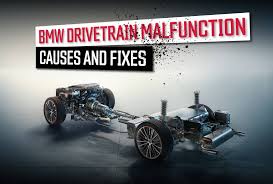
BMW engineering delivers precision, power, and smoothness, yet modern systems rely on advanced electronics and tightly integrated mechanical components. When a “drivetrain malfunction” alert appears, anxiety rises fast.
That message signals issues affecting engine output, transmission behaviour, or power delivery to the wheels. While the alert feels vague, understanding root causes makes diagnosis easier and helps prevent expensive repairs.
What the Drivetrain System Does in a BMW
A drivetrain channels engine torque into forward or backward motion. BMW designs this system with high-precision components, including the engine management unit, transmission, driveshaft, differential, axles, and sensors linked to various control modules.
When any element produces irregular signals, the system triggers a warning to protect components from strain or heat. The vehicle often enters limp mode, reducing performance to limit damage.
This protective response frustrates drivers, yet it serves as a safeguard. Powertrain components must operate with accurate timing, balanced pressure, and stable electrical communication. When those conditions shift, the system alerts the driver through that dreaded message.
Why the Drivetrain Malfunction Warning Appears
Engine Misfires or Irregular Combustion
Misfires arise from weak spark, improper air–fuel ratios, injector issues, or carbon accumulation. BMW engines depend on precise combustion cycles. Even a slight deviation triggers torque imbalance, prompting the drivetrain alert.
Misfires also elevate exhaust temperature, risking catalytic converter damage. Early diagnosis prevents issues and keeps the engine running smoothly.
Fuel Delivery Problems
Low fuel pressure or clogged injectors immediately disrupt performance. A failing high-pressure fuel pump, common in some BMW turbocharged engines, reduces acceleration and triggers the drivetrain message. Irregular pressure readings from sensors also set off system warnings. Fuel quality matters as well; contamination or water content creates blockages and rough running.
Turbocharger or Boost System Faults
BMW turbo systems deliver rapid acceleration through controlled boost pressure. When boost levels exceed safe limits or drop unexpectedly, sensors inform the control module. Wastegate issues, charge-pipe leaks, or malfunctioning boost solenoids often cause these fluctuations. Turbo faults demand fast attention, as continued driving can increase heat and stress.
Transmission Irregularities
Automatic transmissions require stable hydraulic pressure, fluid quality, and correct sensor signals. When control modules detect slipping gears, delayed engagement, or torque converter irregularities, power output reduces and triggers the drivetrain alert. Transmission service—especially fluid replacement at proper intervals—helps maintain system health and avoids costly repairs.
Sensor and Module Communication Errors
Modern BMW models rely heavily on data from oxygen sensors, MAF sensors, crankshaft sensors, and throttle position sensors. Any incorrect reading disrupts how the powertrain calculates output. A simple sensor fault might cause the car to enter limp mode, even when mechanical components remain healthy. Electrical issues, wiring corrosion, or module faults also contribute.
Battery or Voltage Instability
BMW vehicles depend on a consistent voltage supply for control modules. Weak batteries or alternator problems create unstable signals. When voltage dips, drivetrain components react unpredictably. A low battery often leads to cascading faults, including drivetrain warnings. Ensuring strong, stable voltage prevents many electronic errors.
Read Also: Recarga de TikTok: Safe and Easy TikTok Coin Top-Up Guide
Symptoms Accompanying the Drivetrain Warning
Drivers often notice additional signs before or after the alert:
Engine hesitation, rough idle, weak acceleration, smoke from the exhaust, vibrations during driving, or sudden loss of power. Some drivers also notice higher fuel consumption. These symptoms guide technicians toward the failing component. Early observation reduces overall repair cost and limits damage to surrounding systems.
How to Respond When the Warning Appears
BMW recommends reducing speed immediately and avoiding aggressive acceleration. When limp mode activates, the vehicle restricts power to protect internal components. Continuing to push the engine increases risk. Pull over safely, turn the engine off, and restart after a few minutes. Sometimes the message clears temporarily, but the underlying issue remains. Avoid prolonged driving until the system is scanned with a diagnostic tool.
If the warning appears repeatedly, schedule service as soon as possible. Continuing to drive with drivetrain faults risks turbo damage, overheating, or internal engine wear. Towing becomes the safest option if the car struggles to accelerate or vibrates heavily.
Diagnosis and Repair Approach
A certified technician uses BMW-specific diagnostics to read fault codes from the engine control unit. These codes point toward the source of irregular readings. For example, misfire codes identify specific cylinders, while boost pressure codes highlight turbo system leaks or sensor failures.
Once the cause becomes clear, targeted repairs follow. This may include replacing coils, injectors, sensors, fuel pumps, charge pipes, or turbo components. Transmission faults sometimes require valve body service or fluid changes. Electrical issues demand careful inspection of connectors, grounding points, or wiring harnesses.
BMW owners often fear large repair bills, but addressing the warning early usually reduces cost. Ignoring the alert invites further strain on the system.
Preventive Maintenance That Reduces Drivetrain Faults
Regular maintenance plays a crucial role in preventing the drivetrain malfunction alert. High-quality fuel minimises injector blockages. Oil changes at reasonable intervals prevent carbon buildup, especially in turbocharged engines. Spark plugs and coils must remain fresh to support consistent ignition. Replacing the air filter, maintaining proper battery voltage, and ensuring coolant health also protect the drivetrain.
Transmission fluid should be replaced based on mileage and driving habits. Many BMW owners overlook fluid service due to outdated “lifetime fluid” marketing, yet fresh fluid supports precise gear operation and reduces wear. Regular inspections of hoses, charge pipes, and vacuum lines help identify cracks or leaks before they trigger warning messages.
Why BMW Models Are Prone to This Warning
Performance-oriented engineering demands tight tolerances. BMW designs powertrains for responsiveness and efficiency, but that precision makes the system highly sensitive to changes. Turbocharged engines, advanced electronics, and integrated control modules amplify this sensitivity. As a result, the drivetrain alert appears even for small deviations in pressure, voltage, or timing.
This sensitivity benefits drivers by protecting critical components. Instead of waiting for catastrophic failure, the system informs the driver at the first sign of imbalance. Understanding this helps owners view the alert not as an annoyance but as a preventive measure built into the vehicle.
When to Seek Professional Help
If the warning persists after a restart, produces noticeable performance loss, or appears alongside smoke or strong odours, seek immediate service. Unusual noises, clunking, or grinding also indicate deeper mechanical faults. Sudden drops in boost or continuous misfires require professional diagnostics.
Drivers who have recently filled the tank with poor-quality fuel may experience temporary issues. If symptoms continue after using higher-quality fuel, schedule a diagnostic scan to avoid damage to injectors or pumps.
Conclusion
A “drivetrain malfunction” warning creates stress, yet understanding its causes and significance helps drivers respond correctly. The message indicates irregularities within the engine, turbo system, transmission, or associated sensors. Addressing the problem early prevents further damage, keeps repair costs manageable, and maintains BMW performance.
Staying proactive with maintenance, using quality fuel, and seeking prompt diagnostics ensures long-term reliability. With informed action and careful observation, BMW owners can keep their vehicles operating smoothly and enjoy the driving experience the brand is known for.
FAQs
What does “drivetrain malfunction” mean on a BMW?
It signals an issue affecting engine power, transmission performance, or system sensors.
Can I drive with a drivetrain malfunction warning?
Short distances only. The car may enter limp mode. Schedule a diagnosis quickly.
What causes drivetrain malfunction alerts?
Misfires, fuel pressure issues, turbo faults, transmission problems, or sensor errors.
How do I fix a drivetrain malfunction?
Run diagnostics, repair faulty components, and clear codes. Repairs vary by cause.
How can I prevent drivetrain problems in my BMW?
Maintain spark plugs, coils, fuel system, sensors, and transmission fluid; use quality fuel.