Indoor air quality matters more than most people realize. Dust, pet dander, smoke particles, mold spores, pollen, and chemical fumes quietly circulate through your home every day. If you want clean air in every room, a portable purifier may not be enough.
That is where the best whole house air purifier comes in. This guide explains how whole house air purifiers work, why they matter, and how to choose the right system for long-term health and comfort.
What Is a Whole House Air Purifier
A whole house air purifier is a system designed to clean the air throughout your entire home instead of one room at a time. It connects directly to your HVAC system and treats air as it moves through the ductwork. Every time your heating or cooling system runs, the air purifier removes pollutants before the air reaches your living spaces.
Unlike small standalone units, whole house air purifiers work continuously and quietly in the background. They provide consistent air quality without taking up floor space or needing frequent relocation.
Why Whole House Air Purification Matters
Indoor air can be two to five times more polluted than outdoor air. Everyday activities such as cooking, cleaning, burning candles, or using household chemicals release harmful particles. Over time, breathing polluted indoor air can trigger allergies, asthma, headaches, fatigue, and respiratory problems.
A whole house air purifier helps reduce these risks by capturing contaminants at the source. It ensures bedrooms, kitchens, living rooms, and even basements receive cleaner air. This makes a noticeable difference for families with children, elderly members, pets, or anyone sensitive to airborne irritants.
Read Also: What Does Unknown Caller Mean and How to Handle It
How Whole House Air Purifiers Work
Whole house air purifiers operate through advanced filtration or purification technologies installed within your HVAC system. As air passes through the ducts, the purifier captures or neutralizes pollutants before distributing fresh air back into the home.
Mechanical Filtration Systems
Mechanical filtration uses high-efficiency filters to trap particles. These systems rely on dense filter media that capture dust, pollen, pet dander, and other airborne debris. The effectiveness depends on the filter rating and surface area.
Electronic and Ionizing Systems
Some whole house air purifiers use electronic charges to attract particles. These systems charge pollutants and collect them on oppositely charged plates. They are effective at capturing very small particles but require regular cleaning to maintain performance.
UV Light Purification
UV purification targets biological contaminants. Ultraviolet light disrupts the DNA of bacteria, viruses, and mold spores, preventing them from reproducing. UV systems are often combined with filters to provide complete air cleaning.
Hybrid Systems
Many of the best whole house air purifiers combine multiple technologies. A hybrid system may include a high-efficiency filter, UV light, and activated carbon to address particles, microorganisms, and odors at the same time.
Benefits of the Best Whole House Air Purifier
Choosing the best whole house air purifier offers long-term benefits beyond cleaner air. One major advantage is convenience. Once installed, the system works automatically without daily attention. Maintenance is minimal and usually limited to periodic filter replacement or system cleaning.
Another benefit is improved HVAC efficiency. Cleaner air means less dust buildup in ducts and equipment, which can extend the life of your heating and cooling system. Over time, this can reduce maintenance costs and energy usage.
Whole house air purification also improves sleep quality. Breathing cleaner air at night reduces congestion and irritation, helping you wake up feeling more refreshed. Many homeowners notice fewer odors and a fresher indoor environment within days of installation.
What Makes the Best Whole House Air Purifier
Not all systems deliver the same results. The best whole house air purifier balances performance, reliability, and compatibility with your HVAC setup.
Filtration Efficiency
High efficiency filtration is critical. Look for systems capable of capturing fine particles that standard HVAC filters miss. Effective filtration improves allergy relief and overall air cleanliness.
Airflow Compatibility
A whole house air purifier must match your HVAC system airflow. An undersized purifier may restrict air movement, while an oversized unit may not operate efficiently. Professional sizing ensures optimal performance.
Odor and Gas Control
Many indoor air pollutants are invisible gases from cleaning products, paint, and cooking. The best systems include activated carbon or similar media to absorb odors and chemical vapors.
Maintenance Requirements
Ease of maintenance matters for long-term use. Systems with long-lasting filters and simple replacement procedures reduce hassle and ongoing costs.
Proven Performance
Choose brands and systems backed by real-world testing and professional recommendations. Proven performance builds trust and ensures your investment delivers results.
Whole House Air Purifier vs Portable Air Purifier
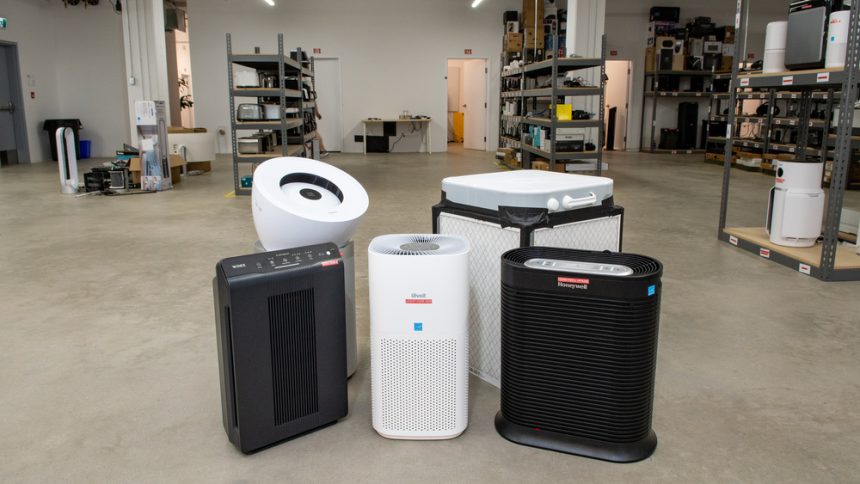
Portable air purifiers serve a purpose, but they have limitations. They clean air only in the room where they are placed and require multiple units to cover a whole home. They also need frequent filter changes and can be noisy.
A whole house air purifier treats all indoor air through a centralized system. It works quietly, consistently, and efficiently. For homeowners seeking complete coverage and convenience, a whole house system is the superior solution.
Installation and Professional Expertise
Installing a whole house air purifier typically requires professional expertise. HVAC technicians evaluate your system, recommend the right purifier, and ensure proper installation. Correct placement within the ductwork is essential for performance and safety.
Professional installation also supports warranty coverage and long-term reliability. It ensures the system integrates seamlessly with your heating and cooling equipment.
Energy Efficiency and Cost Considerations
The initial cost of a whole house air purifier is higher than a portable unit, but the long-term value often outweighs the upfront expense. Energy-efficient designs consume minimal power and operate only when your HVAC system runs.
Maintenance costs remain predictable and manageable. When considering health benefits, improved comfort, and HVAC protection, the investment becomes easier to justify.
Who Should Use a Whole House Air Purifier
Whole house air purifiers benefit nearly every household, but they are especially valuable for allergy sufferers, asthma patients, pet owners, and families in urban or high-pollution areas. Homes with smokers, fireplaces, or frequent cooking also see significant improvements.
If you spend most of your time indoors, improving indoor air quality directly supports long-term health and well-being.
Conclusion
Choosing the best whole house air purifier is a smart step toward a healthier home. Clean air should not be limited to one room. A properly selected and installed system provides consistent air purification across your entire living space.
By understanding how these systems work and what features matter most, you can make an informed decision with confidence. Clean air improves comfort, protects health, and creates a better home environment for everyone.
FAQs
What is a whole house air purifier
A whole house air purifier cleans air throughout your entire home by working with your HVAC system.
Are whole house air purifiers worth it
Yes, they provide consistent clean air, reduce allergens, and improve overall indoor air quality.
How long do whole house air purifier filters last
Most filters last between six months and one year, depending on usage and air quality.
Can a whole house air purifier remove odors
Yes, systems with activated carbon can reduce odors from pets, cooking, and smoke.
Do whole house air purifiers use a lot of energy
No, they are energy efficient and usually operate only when the HVAC system runs.