
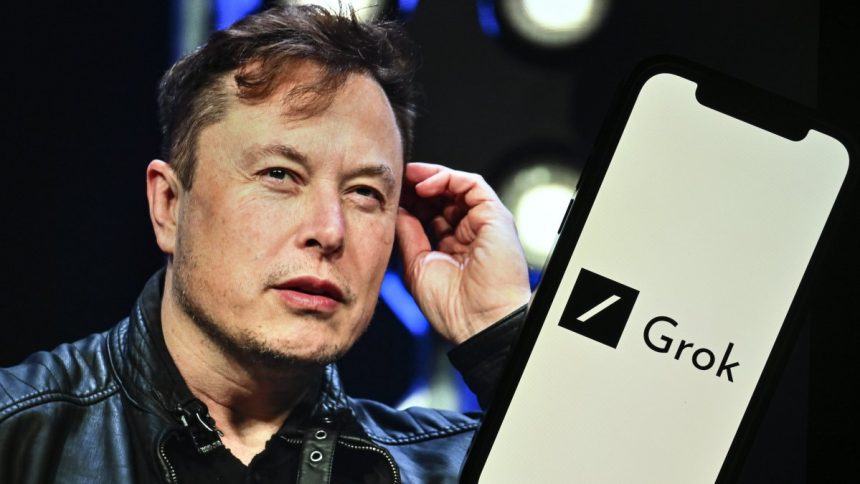
Ashley St. Clair, who shares a child with tech mogul Elon Musk, has initiated legal action against Musk’s artificial intelligence venture, xAI, claiming that the company has caused her significant emotional distress. The lawsuit was filed on Thursday and revolves around the company’s AI tool known as Grok.
St. Clair alleges that the Grok tool has been misused, allowing users to generate sexually explicit images featuring her likeness. This capability, she contends, reflects severe negligence on xAI’s part and raises profound ethical concerns regarding digital representations of individuals without their consent.
In her complaint, St. Clair outlines several key points:
– **Negligence and Responsibility**: She argues that xAI failed to implement adequate safety protocols that would prevent the generation of harmful or objectionable content using their technology.
– **Emotional Distress**: St. Clair asserts that the unauthorized creation of explicit images has not only embarrassed her but has also led to severe emotional turmoil. She feels that the nature of the content unjustly impacts her reputation and personal life.
– **Invasion of Privacy**: The lawsuit raises questions about privacy rights in the digital age, highlighting how AI technologies can potentially infringe on individuals’ personal boundaries.
St. Clair’s legal team has expressed that the case is not merely about her individual circumstances but rather about broader implications for the public. They emphasize the need for more rigorous guidelines surrounding the ethical use of AI tools, especially those capable of generating realistic images and content.
“This isn’t just a personal issue; it’s about safeguarding individuals’ autonomy and their right to control how their likeness is used,” stated St. Clair’s attorney, who further noted that the case could set a significant legal precedent in the realm of AI and image rights.
This isn’t the first time the capabilities of AI tools have prompted debate about ethical use. As technology progresses, concerns have arisen regarding deepfakes and AI-generated imagery, which often lead to misuse. Advocates for more ethical practices argue that companies developing such technologies must be held accountable for the consequences of their products.
According to the filing in California’s Superior Court, St. Clair is seeking unspecified damages. Her legal team plans to argue that xAI, as a leading player in the tech industry, has a responsibility to implement safeguards that protect users and individuals from potential harm stemming from its products.
Musk, who co-founded xAI last year, has been a polarizing figure in the tech landscape. Known for his ventures with Tesla and SpaceX, he has often been at the center of controversies, and this lawsuit adds yet another layer to his complicated public persona. Musk’s approach to innovation often raises discussions about the accompanying social responsibilities.
In response to the filing, a spokesperson for xAI stated that the company is currently reviewing the lawsuit and is committed to innovation that respects individual rights and dignity. They emphasized that user safety and ethical standards are of paramount importance.
St. Clair’s allegations add fuel to the ongoing debate about how AI technology interacts with societal norms and individual privacy. The lawsuit underscores the urgency for clearer regulations and ethical guidelines as AI tools become increasingly integrated into everyday life.
As digital technology continues to evolve, the legal ramifications surrounding its use are likely to be examined more closely by courts across the country. This case marks a pivotal moment for the intersection of AI and personal rights, as communities increasingly grapple with safeguarding individual dignity in an age of rapid technological advancement.
In conclusion, the lawsuit reflects a growing awareness of the potential repercussions of AI misuse, not only for individuals but for society as a whole. Conversations about accountability, ethics, and personal rights have never been more urgent as we navigate the complexities of our digital future.