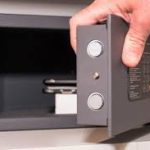
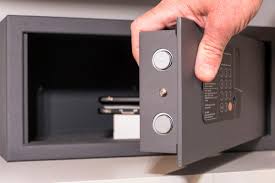
Choosing best safe for home protection requires more than quick online search. Security decisions impact financial safety, document protection, firearm storage compliance, long-term peace of mind. Rising burglary rates, natural disasters, identity theft concerns drive homeowners toward reliable home safes that combine fire resistance, theft protection, advanced locking systems.
Modern home safes range from compact document boxes to heavy-duty steel vaults bolted into concrete floors. Price varies widely depending on fire rating, steel thickness, lock type, brand reputation. Understanding differences prevents costly mistakes.
This comprehensive guide explains safe types, fire ratings, burglary ratings, lock options, placement strategy, expert recommendations. Content reflects security industry standards, insurance guidelines, real-world home protection experience aligned with EEAT principles.
Why Every Home Needs a Safe
Home security extends beyond alarm systems, cameras, reinforced doors. Important documents such as passports, birth certificates, property deeds, insurance policies remain vulnerable during burglary or house fire. Jewelry, cash, heirlooms, digital storage devices often become primary targets during break-ins.
Natural disasters add another layer of risk. Fire can destroy paperwork within minutes. Flood damage can ruin electronics permanently. A properly rated home safe provides physical barrier against theft while offering fire protection during emergencies.
Insurance companies frequently recommend fireproof safes for policy documentation. Firearms owners often require secure storage to meet legal compliance and prevent unauthorized access.
Investing in best safe for home use means protecting irreplaceable assets and sensitive information.
Read Also: How to Clean Up iPhone Storage Fast & Safely
Types of Home Safes
Fireproof Safe
Fireproof safes protect contents from high temperatures during house fires. Fire ratings measured in minutes at specific temperatures. Common ratings include 30-minute, 60-minute, 120-minute protection at temperatures around 1200°F to 1700°F.
Higher rating equals greater insulation thickness and better interior temperature control. For document protection, interior temperature must remain below 350°F to prevent paper combustion.
Fireproof safes focus primarily on heat resistance rather than burglary defense. Steel thickness may not deter professional thieves without additional security features.
Burglary Safe
Burglary safes emphasize thick steel walls, reinforced doors, anti-drill plates, solid locking bolts. Weight often exceeds several hundred pounds. Heavy construction discourages removal and forced entry.
Security ratings like UL Residential Security Container certification indicate tested resistance against prying, drilling, impact tools. For homeowners prioritizing theft prevention, burglary rating carries greater importance than fire rating.
Fire and Burglary Combination Safe
Combination safes provide both fire resistance and burglary protection. These models typically cost more due to layered insulation and reinforced steel construction. For comprehensive protection, combination safes often represent best safe for home investment.
Balancing fire rating with steel thickness remains key selection factor.
Gun Safe
Gun safes designed specifically for firearm storage. These safes include adjustable shelving, long gun racks, tamper-resistant hinges. Many gun safes provide fire resistance as well.
Legal compliance in several states requires secure firearm storage. Gun safes reduce unauthorized access risk and provide liability protection.
Wall Safe
Wall safes install between wall studs, offering discreet storage option. While convenient and hidden, wall safes typically provide limited fire protection and lighter steel construction compared to floor-standing safes.
Wall safes work well for jewelry, cash, small valuables but may not qualify as highest security solution.
Key Features to Consider
Steel Thickness
Steel gauge determines burglary resistance. Lower gauge number equals thicker steel. For serious theft protection, choose at least 12-gauge steel body. Higher-end models may use 10-gauge or thicker.
Door construction often thicker than body walls. Solid steel plate doors offer greater protection than composite designs.
Fire Rating Duration
Minimum 60-minute fire rating recommended for most homes. In rural areas with longer emergency response times, 90-minute or 120-minute rating provides extra security.
Check certification from recognized testing laboratories rather than marketing claims alone.
Locking Mechanism Options
Mechanical dial locks offer reliability without battery dependence. Electronic keypad locks provide quick access and programmable codes. Biometric fingerprint locks deliver fastest entry but require battery maintenance.
Each lock type has advantages. Mechanical locks rarely fail electronically. Electronic locks allow multiple user codes. Biometric systems combine speed with convenience.
Best safe for home depends partly on access frequency and user preference.
Bolt System and Hinges
Multiple locking bolts extending into safe body enhance security. Look for at least three solid steel bolts. Internal hinges prevent tampering. External hinges allow full door opening but must include anti-pry reinforcements.
Quality bolt design significantly impacts burglary resistance.
Size and Capacity
Underestimating capacity remains common mistake. Future purchases, additional documents, new valuables require extra space. Choose safe slightly larger than current needs.
Interior adjustable shelving increases flexibility.
Best Safe for Home Placement Strategy
Location affects both security and fire protection. Installing safe on ground floor reduces collapse risk during fire. Bolting safe into concrete floor prevents removal during burglary.
Avoid obvious locations like master bedroom closet. Professional thieves check predictable hiding spots first. Consider home office, basement corner, concealed utility space.
Humidity control also matters. Basements may require dehumidifier rod to prevent moisture damage.
Digital vs Mechanical Locks
Electronic locks allow quick reprogramming if code compromised. Some models include tamper alerts, lockout timers after repeated incorrect attempts. However, battery failure can temporarily block access.
Mechanical combination locks require no power source. Properly maintained mechanical locks often last decades. Entry process slower compared to keypad or biometric systems.
Choosing between digital and mechanical depends on preference for convenience versus simplicity.
Trusted Safe Brands in Home Security Market
Brands such as Liberty Safe, SentrySafe, and Fort Knox maintain strong reputations for durability, certified testing, customer support.
Liberty Safe widely recognized for premium gun safes with robust fire ratings. SentrySafe offers affordable fireproof models ideal for documents and small valuables. Fort Knox specializes in heavy-duty customizable safes emphasizing steel thickness and advanced locking systems.
Evaluating warranty coverage, customer reviews, testing certifications ensures reliable purchase decision.
Cost Expectations
Entry-level fireproof safes range from $100 to $300. Mid-range combination safes typically cost between $500 and $1500. High-end burglary-rated gun safes can exceed $3000 depending on size and customization.
Higher price often correlates with thicker steel, longer fire rating, improved locking systems. Consider safe as long-term investment protecting assets worth significantly more than purchase cost.
Insurance providers may offer premium discounts for certified safe installation.
Common Mistakes When Buying Home Safe
Selecting safe based solely on price leads to compromised protection. Ignoring fire rating may result in document loss during emergency. Choosing undersized model creates storage limitations within few years.
Failure to bolt safe securely reduces theft deterrence. Leaving safe visible without concealment may attract attention.
Researching certifications and reading manufacturer specifications prevents disappointment.
Maintenance and Long-Term Care
Regularly inspect locking mechanism for smooth operation. Replace electronic lock batteries annually. Keep interior clean and dry. Test lock periodically to ensure code functionality.
For mechanical locks, occasional professional servicing maintains precision alignment.
Proper maintenance extends lifespan significantly.
Expert Recommendation
For balanced home protection, select fire and burglary combination safe with minimum 60-minute fire rating, 12-gauge steel body, internal hinges, reliable electronic or mechanical lock. Bolt safe securely to concrete floor in discreet location.
Evaluate brand reputation, warranty terms, customer service history. Avoid unknown manufacturers lacking certification transparency.
Security decisions require thoughtful analysis rather than impulse purchase.
Conclusion
Choosing best safe for home represents proactive step toward financial and personal security. Comprehensive protection involves fire resistance, burglary deterrence, secure locking system, strategic placement.
No single safe fits every household. Families storing firearms require larger gun safes. Apartment dwellers may prefer compact fireproof model. High-value jewelry owners may prioritize burglary rating over fire duration.
Long-term peace of mind outweighs initial cost difference. Well-selected home safe protects irreplaceable documents, valuables, digital assets, firearms for decades.
Security begins with preparation. Investing in high-quality safe strengthens overall home defense strategy while ensuring critical belongings remain protected during unexpected emergencies.
When evaluating options, focus on certified testing, steel thickness, fire rating, reputable brand history. Informed decision today prevents regret tomorrow.
FAQs
1. What is the best safe for home use?
The best safe for home use offers both fire resistance and burglary protection with at least a 60-minute fire rating and solid steel construction.
2. Are fireproof safes really fireproof?
Most home safes are fire-resistant, not completely fireproof. They protect contents for a certified time at high temperatures.
3. Should I bolt my home safe to the floor?
Yes. Bolting a safe to concrete flooring prevents thieves from removing it during a burglary attempt.
4. Which lock is better: digital or mechanical?
Digital locks offer convenience and quick access, while mechanical locks provide long-term reliability without batteries.
5. How big should a home safe be?
Choose a safe slightly larger than current needs to allow space for future valuables and important documents.