
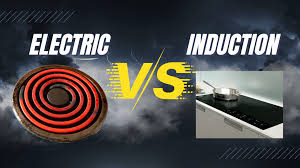
Choosing between an induction cooktop and an electric cooktop can feel confusing, especially when both promise efficiency, style, and modern performance. If you are planning a kitchen upgrade or replacing an old stove, understanding the real differences matters.
This guide breaks down induction cooktop vs electric in a clear, practical, and conversational way so you can decide with confidence.
Understanding Induction Cooktops and Electric Cooktops
Before comparing performance and cost, it helps to understand how each type works. While both use electricity, the technology behind them is very different.
What Is an Induction Cooktop
An induction cooktop uses electromagnetic energy to heat cookware directly. When a compatible pan is placed on the surface, the cooktop creates a magnetic field that heats the pan itself instead of the glass surface. This allows for precise temperature control and faster cooking.
The surface remains relatively cool, which improves safety and makes cleaning easier. Induction technology is often found in high-end and professional kitchens due to its speed and control.
What Is an Electric Cooktop
An electric cooktop uses heating elements located beneath a smooth glass or ceramic surface. These elements heat up and transfer warmth to the cookware sitting on top. Electric cooktops have been around longer and are common in many homes.
They provide steady heat and work with almost all types of cookware, making them a familiar and accessible choice for many households.
Read Also: Best Whole House Air Purifier for Clean and Healthy Indoor Air
Cooking Performance Comparison
Performance is one of the most important factors when comparing induction cooktop vs electric.
Heating Speed and Efficiency
Induction cooktops heat significantly faster because energy transfers directly to the pan. Water boils quicker, and temperature adjustments happen almost instantly. This efficiency reduces cooking time and energy waste.
Electric cooktops take longer to heat up because the element and surface must warm before heat reaches the pan. They also cool down slowly, which can affect precise cooking tasks.
Temperature Control and Precision
Induction cooktops excel in temperature precision. When you lower the heat, the pan responds immediately. This level of control is ideal for delicate cooking techniques such as simmering sauces or melting chocolate.
Electric cooktops provide consistent heat but respond more slowly to adjustments. This can make fine control more challenging, especially for experienced cooks who rely on quick changes.
Energy Efficiency and Power Usage
Energy efficiency plays a major role in long-term costs and environmental impact.
Induction cooktops are highly energy efficient because very little heat is lost to the surrounding air. Most of the energy goes directly into cooking food. This efficiency often results in lower electricity usage over time.
Electric cooktops lose more heat because the surface and surrounding air absorb energy. While still more efficient than gas in some cases, they generally use more electricity than induction.
Cookware Compatibility
Cookware requirements differ significantly between induction and electric cooktops.
Induction cooktops require magnetic cookware. Cast iron and many stainless steel pans work well, but aluminum, copper, and glass cookware may not be compatible unless they have a magnetic base.
Electric cooktops work with nearly all cookware types. This flexibility is appealing for households that already own a wide variety of pots and pans.
Safety Considerations
Safety is a key factor for families and busy kitchens.
Induction cooktops offer superior safety features. The surface stays cooler because heat is generated only in the cookware. This reduces burn risk and makes induction a popular choice for homes with children.
Electric cooktops become very hot during use and remain hot after cooking. Accidental contact with the surface can cause burns, and it takes longer for the heat indicator to disappear.
Cleaning and Maintenance
Cleaning ease impacts daily convenience.
Induction cooktops are easy to clean because spills do not burn onto the surface as quickly. Since the glass stays cooler, food residue wipes away with minimal effort.
Electric cooktops require more care. Spills can bake onto the hot surface, making cleaning more time-consuming. Scratches may also appear if abrasive cleaners are used.
Installation and Electrical Requirements
Installation requirements can influence your decision.
Induction cooktops often require a dedicated electrical circuit and may need an upgrade if your kitchen wiring is outdated. Professional installation is usually recommended.
Electric cooktops are easier to install in many homes because they are widely compatible with existing electrical setups. This can reduce installation costs and complexity.
Cost Comparison
Cost includes both upfront price and long-term expenses.
Induction cooktops typically have a higher initial cost. Advanced technology and premium features contribute to the price. However, energy savings over time can help offset the upfront investment.
Electric cooktops are more affordable initially. They offer reliable performance at a lower price point, making them appealing for budget-conscious homeowners.
Durability and Longevity
Both induction and electric cooktops are built to last, but durability depends on usage and care.
Induction cooktops have fewer exposed heating elements, which can reduce wear and tear. With proper maintenance, they often maintain performance for many years.
Electric cooktops have heating elements that may degrade over time. While reliable, repairs or replacements may be needed after extended use.
Cooking Experience and Lifestyle Fit
Choosing between induction cooktop vs electric also depends on how you cook.
Induction suits people who enjoy fast cooking, precise control, and modern technology. It appeals to home chefs who value performance and efficiency.
Electric cooktops fit households that prefer simplicity and compatibility. They are ideal for everyday cooking without the need to replace cookware.
Environmental Impact
Induction cooktops are considered more environmentally friendly due to higher efficiency and reduced energy waste. When paired with renewable electricity, they offer a sustainable cooking solution.
Electric cooktops have a higher energy loss, which can increase overall consumption. However, they still avoid fossil fuel combustion, making them cleaner than gas options.
Conclusion
The decision between induction cooktop vs electric comes down to priorities. If you want speed, precision, energy efficiency, and safety, induction is hard to beat. If you value affordability, cookware flexibility, and familiar operation, electric cooktops remain a solid choice.
Both options can serve your kitchen well. By considering your cooking habits, budget, and home setup, you can choose the cooktop that fits your lifestyle and delivers enjoyable cooking experiences for years to come.
FAQs
Which is better induction or electric cooktop
Induction is faster and more energy efficient, while electric is more affordable and works with all cookware.
Do induction cooktops use more electricity
No, induction cooktops use electricity more efficiently than electric cooktops.
Can I use regular pots on an induction cooktop
Only magnetic cookware works on induction cooktops, such as cast iron or magnetic stainless steel.
Is induction cooking safer than electric
Yes, induction cooktops stay cooler and reduce burn risks compared to electric cooktops.
Are electric cooktops cheaper than induction
Yes, electric cooktops usually cost less upfront than induction cooktops.