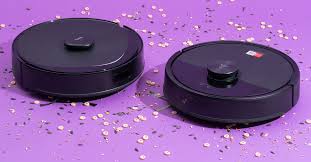
Hardwood floors make a home look clean, elegant, and welcoming. Their smooth surfaces reflect light and bring warmth into every room. But keeping hardwood floors clean can be a challenge, especially if you live with pets, kids, or high daily foot traffic. Dust, hair, and dirt hide in corners and along baseboards. Traditional vacuums can be bulky and tiring to push around. That is why finding the best robot vacuum for hardwood floors matters for many homeowners who want effortless cleaning and consistent results.
A robot vacuum designed for hardwood floors can sweep up daily messes with minimal effort from you. These smart devices roam around on programmed routes, sense obstacles, and adapt to different floor types. Many models navigate intelligently and return to their charging base when battery runs low. In this article we talk about what makes a robot vacuum ideal for hardwood, the features worth considering, and how choosing the right one can make daily cleaning easier and more effective.
Why a Special Robot Vacuum for Hardwood Floors Matters
Not all robot vacuums are the same. Some are optimized for carpets, others handle tile or mixed flooring. Hardwood floors require a machine that can pick up fine dust and larger debris without scratching or leaving marks. Ordinary vacuum brushes that work well on carpet can sometimes drag debris across wood grain. A robot vacuum suited for hardwood floors uses soft brushes, strong suction, and sensors that detect floor edges and obstacles.
One key reason people choose a robot vacuum for hardwood floors is consistency. Dust and crumbs accumulate every day. A nightly cleaning cycle means you wake up to floors that already look clean. This continuous maintenance reduces the time you spend on deep cleaning. Instead of vacuuming manually several times a week, a robot can work quietly while you focus on other tasks.
Another reason is protection. Hardwood floors can show wear over time if abrasive dirt scratches the surface. By removing debris frequently with a robot vacuum made for wood floors, you reduce abrasive wear on your flooring. This helps the wood finish last longer and keeps the surface looking smooth and polished.
Read Also: Apple Watch SE Starlight – Features, Design, and Review
Key Features to Look for in a Robot Vacuum for Hardwood Floors
Choosing the best robot vacuum for hardwood floors is about knowing what matters most for your home. Different models come with varied features. Some provide mapping, edge cleaning, smartphone control, or self‑emptying bases. All of these features can enhance performance, but a few core qualities determine how well a robot vacuum handles hardwood.
Strong suction is at the top of this list. Hardwood floors may hide fine dust or pet hair in cracks and between boards. A vacuum with powerful suction ensures deep cleaning rather than just moving dirt around. Paired with well‑designed wheels and sensors, strong suction helps the robot maintain grip and move smoothly over wood surfaces.
Another key feature is a high‑quality brush system. Some robot vacuums use rubberized brushes designed to pull debris without scratching wood. Soft brushes or roller systems work well to trap dirt while protecting the floor finish. In contrast, stiff bristles sometimes leave marks or struggle with tiny particles.
Navigation technology also matters. Laser mapping or camera‑based systems help the robot understand your home layout. These systems let the machine plan efficient cleaning paths, avoid obstacles, and adapt to furniture arrangements. For hardwood floors with open rooms or dark surfaces, good navigation prevents repeated paths or missed spots.
Battery life is essential too. A robot vacuum with longer battery runtime can clean larger areas in one cycle. This reduces the need for manual intervention or multiple partial cleaning rounds. A reliable battery lets your robot vacuum roam freely and complete the job without stopping midway.
Finally, you may want smart features like schedule programming, voice assistant compatibility, and smartphone control. These add convenience and let you manage floor cleaning from anywhere. With apps and voice commands you can set daily cleanups, check cleaning history, or control zones in your home.
How Robot Vacuums Handle Everyday Hardwood Floor Challenges
Hardwood floors face everyday challenges that differ from other surfaces. Dust settles in cracks between boards. Pet hair wraps around feet and corners. Small debris falls near furniture legs and under couches. A robot vacuum designed for hardwood floors makes these obstacles easier to manage.
Sensors help the robot detect edges, preventing it from bumping too hard into furniture or falling down stairs. When the device senses an obstacle, it slows down or adjusts its path instead of pushing debris into hard‑to‑reach spots. This is especially useful around chairs, table legs, and low cabinets.
Many modern robot vacuums also adjust suction automatically based on floor type. When transitioning from hardwood to a rug or carpeted area, the vacuum increases suction so debris lifts easily. On hardwood floors, it uses balanced suction to avoid scattering dust or leaving streaks. This adaptive cleaning ensures consistent results throughout your home.
Finally, some robots come with self‑charging or self‑emptying features. When battery gets low, the robot returns to its dock. Some models empty debris into a base that holds multiple cleaning cycles’ worth of dirt. This means fewer times you have to empty the bin by hand.
Common Misconceptions About Robot Vacuums and Hardwood Floors
Many people assume all robot vacuums are equally good on any floor, but this is not true. Basic models with weak suction may struggle with fine particles, leaving dust behind. Others might use brushes that work well on carpet but can scratch wood. Choosing a model without checking features can lead to disappointing results.
Another misconception is that robot vacuums replace deep cleaning. They excel at daily maintenance, but occasional manual cleaning or use of a mop keeps floors looking their best. Think of a robot vacuum as a reliable helper that reduces the frequency of manual tasks, not a complete substitute.
Some users worry that dark wood floors confuse robots. While older models sometimes struggled with dark surfaces due to sensor limitations, most modern robot vacuums handle dark and light floors equally well thanks to improved navigation systems. This means you get consistent performance regardless of your floor color or design.
Everyday Benefits of Using a Robot Vacuum on Hardwood Floors
There is no greater joy than walking into a living room with spotless floors. A robot vacuum quietly running in the background gives you that feeling every day. You won’t need to plan a time for sweeping or vacuuming because your robot does it for you. No more pushing a heavy vacuum around furniture or bending down to reach corners.
People with busy schedules, families, or pets especially appreciate this convenience. A robot vacuum ensures floors stay clean even when life gets hectic. Daily dust accumulation disappears, and pet hair does not build up into tangles. You spend fewer weekends cleaning and more time enjoying your home.
Robot vacuums also help maintain a healthier environment. Fine dust can irritate allergies or aggravate respiratory issues. By removing dust regularly, a robot vacuum contributes to cleaner air and a fresher indoor space. This is a benefit many users don’t realize until after they’ve started using one.
Making the Most of Your Robot Vacuum for Hardwood Floors
To get the best performance, keep a few habits in mind. Clear floor clutter like cords, small objects, and loose rugs before your robot starts cleaning. This allows it to navigate smoothly and avoid getting stuck. Make sure furniture legs or shoes are out of the way if possible.
Empty the robot’s bin regularly unless you have a model with a self‑emptying base. Regular bin maintenance ensures strong suction and prevents odors. You can also schedule regular cleaning times in the robot’s app so it runs automatically while you sleep or are at work.
Occasionally wipe the robot’s wheels and brushes to remove tangled hair or debris. This simple step prolongs the robot’s life and keeps performance at peak levels. A clean robot saves you time and maintains consistent cleaning quality.
Conclusion
Finding the best robot vacuum for hardwood floors comes down to understanding what your home needs. Strong suction, gentle brush systems, smart navigation, and reliable battery life make a difference in how clean your floors look. A robot vacuum becomes more than a gadget; it becomes a cleaning partner that lightens your daily chores and helps your home feel fresher.
Whether you have pets, kids, or a busy lifestyle, a robot vacuum delivers consistent clean floors without demanding your attention. By choosing a model built for hardwood floors you protect the beauty of your home and save time you can spend on things that matter most.
Your ideal robot vacuum is out there, ready to take the work out of floor cleaning and bring effortless clean hardwood floors into your life.
FAQs
1. What is the best robot vacuum for hardwood floors?
It is a vacuum designed with strong suction, soft brushes, and smart navigation to clean hardwood without scratching.
2. Can robot vacuums handle pet hair on hardwood floors?
Yes, many models efficiently pick up pet hair and prevent it from scattering across the floor.
3. Do robot vacuums scratch hardwood floors?
High-quality models use soft brushes and wheels to clean safely without damaging wood surfaces.
4. How long does a robot vacuum battery last on hardwood floors?
Most run between 60 and 120 minutes depending on the model and cleaning mode.
5. Do I need to prep my hardwood floors for a robot vacuum?
Yes, clear small objects, cords, and loose rugs for smooth navigation and better cleaning performance.