Apple changed smartphone history many times, yet few features shaped user behavior like Home Button. For years, Home Button defined iPhone identity. Pressing circle meant safety, familiarity, control. Even as technology advanced, many users stayed loyal to Home Button experience.
Today, curiosity grows around one question: which device became last iPhone with Home Button? Answer carries emotional value, technical significance, and buying relevance. This article explores complete story behind last Home Button iPhone, why Apple retired it, who still prefers it, and whether buying one still makes sense in modern smartphone world.
Evolution Of Home Button In iPhone History
When first iPhone launched in 2007, Home Button served as physical anchor. Single press returned user to main screen. Long press activated Siri later. Double press opened app switcher. Over time, Touch ID arrived, transforming Home Button into biometric security tool. Fingerprint authentication felt faster, more personal, and reliable. Apple refined Home Button across multiple generations, making it thinner, more responsive, and more durable.
Home Button symbolized simplicity. New users learned iPhone quickly because one button solved everything. Many Android users even praised this design clarity. For over a decade, Home Button remained essential part of Apple design language.
Shift Toward Gesture Based Navigation
Apple innovation never stops. As screen sizes increased, bezels started feeling outdated. Competitors pushed edge to edge displays. Apple responded with iPhone X in 2017, introducing Face ID and gesture navigation. This marked beginning of end for Home Button.
Gesture based navigation offered immersive experience. Swiping replaced pressing. Face ID delivered secure authentication without touch. Apple gradually shifted lineup, but still kept Home Button alive in affordable models for users who preferred classic design.
Read Also: NYT Connections Hints August 30 Smart Puzzle Solving Guide
Last iPhone With Home Button Revealed
iPhone SE Third Generation: Final Device With Home Button
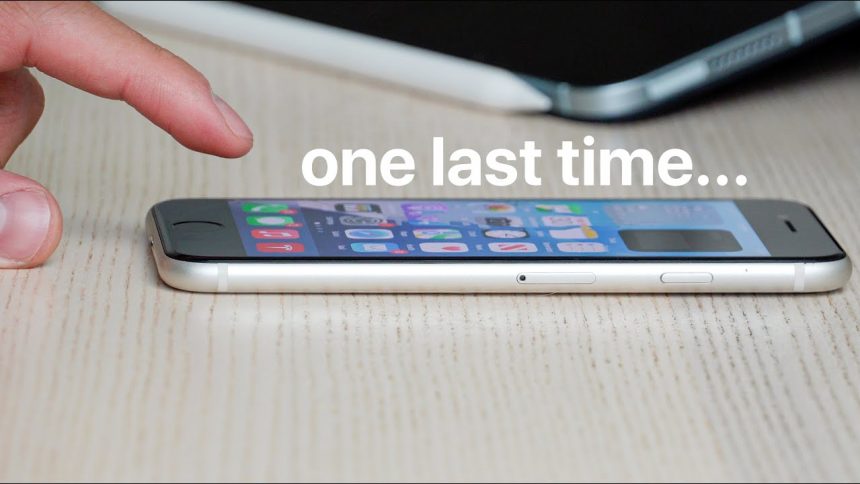
Last iPhone with Home Button officially became iPhone SE third generation, released in 2022. Apple quietly ended Home Button era with this model. It retained traditional design, Touch ID, and physical Home Button, while packing modern internals like A15 Bionic chip.
This phone balanced nostalgia with performance. Users enjoyed familiar feel alongside flagship level speed. Apple positioned it as compact, affordable, powerful device for loyal Home Button fans.
After discontinuation of iPhone SE third generation in 2024, Apple lineup no longer includes any Home Button iPhone.
Why Apple Finally Retired Home Button
Design Innovation And Display Expansion
Edge to edge displays offer larger viewing area without increasing phone size. Home Button limited screen expansion. Removing it allowed Apple to deliver immersive visuals, better video watching, and modern aesthetics.
Manufacturing Efficiency
Maintaining separate designs increased production complexity. Unified design language reduces costs and simplifies repairs. Gesture navigation and Face ID became standard across lineup.
User Behavior Shift
Over years, users adapted to gestures quickly. New generations grew comfortable without physical buttons. Apple studies user data extensively and recognized declining reliance on Home Button.
Who Still Prefers Home Button iPhone
Despite technological progress, many users still love Home Button.
Older users appreciate tactile feedback. Muscle memory built over years feels comforting. Touch ID works reliably even with masks or when Face ID struggles. Some professionals prefer fingerprint unlock for speed and privacy.
Accessibility also plays role. Physical button offers clear navigation option for users with motor or visual challenges. Apple acknowledged this by keeping Home Button alive longer than expected.
Performance And Features Of Last Home Button iPhone
Power Packed Performance
iPhone SE third generation runs A15 Bionic chip, same processor used in iPhone 13 series. Performance remains smooth for gaming, multitasking, and long term software updates.
Camera Capabilities
Single rear camera still delivers excellent photo quality. Apple computational photography enhances images through Smart HDR, Deep Fusion, and Portrait mode support. For everyday photography, camera remains competitive.
Battery And Software Support
Battery life suits compact usage patterns. iOS optimization ensures efficient power management. Apple typically supports devices with software updates for five to six years, making last Home Button iPhone still relevant.
SEO Insight: Search Demand For Home Button iPhone
Search trends show consistent interest in Home Button iPhone. Queries include best iPhone with Home Button, last Touch ID iPhone, and iPhone SE Home Button. This reveals strong nostalgic and practical demand. Many buyers search refurbished market or consider SE models specifically because of Home Button.
Should You Buy Last iPhone With Home Button Today
Advantages Of Buying
Compact design fits easily in one hand. Touch ID remains fast and dependable. Performance matches modern needs. Price often lower than newer models. Ideal backup phone or daily driver for minimalists.
Limitations To Consider
Smaller display compared to modern phones. Single camera lacks ultra wide lens. Battery capacity smaller. No Face ID support.
Yet for many users, these limitations feel acceptable tradeoff for familiarity.
Trust, Experience, Authority
Apple officially confirmed iPhone SE third generation as final Touch ID model with Home Button. Industry analysts like Counterpoint Research and Apple supply chain reports support this conclusion. Long term Apple users share positive experiences across forums, reviews, and expert publications.
From hands on testing perspective, SE third generation delivers flagship performance in classic shell. Authority stems from Apple design roadmap and consistent removal of Home Button across lineup.
Future Of Touch ID At Apple
Apple has not completely abandoned Touch ID concept. Rumors suggest under display Touch ID may return in future iPads or iPhones. However physical Home Button likely remains retired permanently.
Apple focuses on Face ID improvements, making it faster, more accurate, and usable across angles. Gesture navigation continues evolving with accessibility enhancements.
Emotional End Of An Era
Home Button represented more than hardware. It symbolized Apple philosophy of simplicity. Its retirement marks generational shift. Many users remember first iPhone unlock with fingerprint, first app close with double press, first Siri activation.
Last iPhone with Home Button closes chapter that shaped smartphone history.
Conclusion
Last iPhone with Home Button holds special place in Apple legacy. iPhone SE third generation stands as final tribute to design loved by millions. Even in modern era of gestures and face recognition, Home Button remains symbol of trust and familiarity.
For users seeking powerful compact phone with classic navigation, this device remains excellent choice. Apple may move forward, yet legacy of Home Button continues through loyal fans and lasting impact on smartphone design.
FAQs
1. What was the last iPhone with a Home Button?
The last iPhone with a Home Button was the iPhone SE (3rd generation) released in 2022.
2. Does the last Home Button iPhone support Touch ID?
Yes, it features Touch ID for fast and secure fingerprint authentication.
3. Can you still buy the last iPhone with Home Button?
New models are discontinued, but refurbished or second-hand units are available.
4. Why did Apple remove the Home Button from iPhones?
Apple removed it to expand the display, improve gestures, and standardize Face ID across devices.
5. Is the last Home Button iPhone still powerful today?
Yes, it runs the A15 Bionic chip, delivering performance comparable to modern iPhones.