If you are asking is fiber internet better than cable, you are asking the right question at the right time. Internet use has changed. Streaming, remote work, online gaming, cloud storage, and smart homes demand faster and more reliable connections than ever before.
Choosing between fiber internet and cable internet can feel confusing, especially when providers promise similar speeds and pricing.
This guide breaks everything down in a clear, human way. No technical overload. No sales talk. Just real explanations to help you decide what works best for your lifestyle, location, and daily internet habits.
Understanding Fiber Internet and Cable Internet
Before deciding which option performs better, it helps to understand how each technology works.
What Fiber Internet Really Is
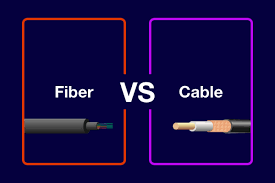
Fiber internet uses fiber-optic cables made of glass or plastic strands. These strands transmit data as light signals. Because light travels extremely fast and with minimal interference, fiber delivers incredibly high speeds and strong reliability.
Fiber connections are designed for modern data demands. They handle large uploads, heavy downloads, and multiple connected devices without slowing down.
How Cable Internet Works
Cable internet uses coaxial cables originally designed for cable television. These cables transmit data using electrical signals. While cable internet can be fast, it shares bandwidth with nearby users.
This shared structure means speeds can fluctuate during peak hours when many people in the neighborhood are online at the same time.
Read Also: How to Send a Text Later on iPhone (Schedule Messages)
Speed Comparison: Fiber vs Cable
Speed is usually the first thing people care about, and for good reason.
Download Speeds
Both fiber and cable can offer fast download speeds. Cable internet often advertises impressive download numbers that work well for streaming movies, browsing websites, and casual gaming.
Fiber internet also delivers high download speeds, often matching or exceeding cable depending on the plan.
At first glance, downloads may seem equal. The real difference appears when uploads enter the picture.
Upload Speeds
This is where fiber clearly wins.
Fiber internet provides symmetrical speeds, meaning upload and download speeds are nearly equal. Uploading videos, backing up files, video calling, and working in cloud platforms feel smooth and instant.
Cable internet offers much slower upload speeds compared to downloads. This gap can cause lag during video meetings, slow file uploads, and delays for content creators.
If you work from home or share large files, fiber feels dramatically better.
Reliability and Consistency
Internet speed means little without consistency.
Fiber Internet Reliability
Fiber connections are less affected by weather, electrical interference, and network congestion. Because data travels as light, fiber lines maintain stability even during heavy usage times.
Users experience fewer slowdowns and outages, making fiber ideal for households with multiple devices running simultaneously.
Cable Internet Reliability
Cable internet reliability depends heavily on neighborhood usage. During evenings or weekends, when many users stream or game, speeds can drop noticeably.
Cable infrastructure is also more sensitive to weather-related disruptions and signal interference.
If consistent performance matters, fiber has a clear advantage.
Latency and Performance for Gaming and Streaming
Latency measures how quickly data travels from your device to the server and back.
Fiber Latency
Fiber internet delivers extremely low latency. Online gaming feels responsive. Video calls stay smooth. Live streaming runs without buffering or delay.
Low latency also benefits smart home systems, remote desktop work, and real-time collaboration tools.
Cable Latency
Cable internet latency is higher and less stable. While casual gaming still works, competitive gamers often notice lag spikes during peak hours.
Streaming remains fine most of the time, but sudden slowdowns happen more often than with fiber.
Price Comparison and Value
Many people assume fiber costs more. That is not always true.
Fiber Internet Pricing
Fiber plans often cost slightly more upfront, but prices have become more competitive. Many providers offer fiber at similar rates to cable, especially in urban areas.
When considering speed, reliability, and upload performance, fiber often delivers better overall value.
Cable Internet Pricing
Cable internet sometimes appears cheaper at first, especially with promotional pricing. However, speeds may not match fiber, and upload limitations reduce long-term value.
Cable prices also tend to increase after promotional periods end.
Availability and Location Limitations
Availability plays a major role in deciding between fiber and cable.
Fiber Availability
Fiber infrastructure requires significant investment, so availability remains limited in some regions. Urban and suburban areas see faster expansion, while rural areas may still lack access.
If fiber is available at your address, it is usually the best option.
Cable Availability
Cable internet covers a much wider area. Most households already have coaxial cable lines, making cable accessible in many locations where fiber has not reached yet.
In areas without fiber, cable remains the strongest alternative.
Installation and Equipment Differences
Fiber Installation Experience
Fiber installation may require new wiring. This can take longer during setup, but once installed, the connection stays stable for years.
Fiber equipment supports future upgrades without replacing cables.
Cable Installation Experience
Cable installation is faster since existing infrastructure already exists in most homes. However, older wiring can sometimes limit performance.
Security and Data Integrity
Fiber internet offers stronger resistance to signal tapping and interference. Because fiber transmits light, it is harder to intercept without detection.
Cable signals travel electrically, making them more vulnerable to interference, though modern encryption still keeps user data safe.
For users concerned about long-term security and stability, fiber adds peace of mind.
Environmental Impact
Fiber networks consume less energy over time and require less signal amplification. This makes fiber more energy efficient than cable infrastructure.
As sustainability becomes more important, fiber stands out as a future-ready technology.
Which Internet Type Is Better for Different Users
Best Choice for Remote Workers
Fiber internet clearly wins. Fast uploads, low latency, and stable connections make daily work easier and more productive.
Best Choice for Gamers
Fiber offers smoother gameplay, faster response times, and fewer interruptions.
Best Choice for Streaming Households
Both options work well, but fiber handles multiple streams and devices more comfortably during peak hours.
Best Choice for Budget Users
Cable may work if fiber is unavailable or priced significantly higher. However, fiber often delivers better value long term.
Future-Proofing Your Internet Connection
Internet demand will only increase. Cloud computing, virtual reality, AI tools, and smart devices all require faster and more stable connections.
Fiber infrastructure supports massive speed upgrades without replacing cables. Cable networks face physical limitations that may require costly upgrades.
Choosing fiber means preparing for the future, not just today.
Conclusion
So, is fiber internet better than cable? In most cases, yes.
Fiber internet delivers faster uploads, more consistent speeds, lower latency, stronger reliability, and better long-term value. It supports modern digital life with ease and scales for future demands.
Cable internet still serves many users well, especially where fiber is unavailable. It remains a solid option for basic use and streaming.
If fiber is available in your area and fits your budget, it is the smarter choice for performance, reliability, and future readiness.
FAQs
Is fiber internet faster than cable?
Yes, fiber internet is generally faster, especially for upload speeds and overall performance.
Does fiber internet have better reliability than cable?
Yes, fiber offers more consistent speeds and fewer slowdowns during peak usage times.
Is fiber internet more expensive than cable?
Not always. Fiber pricing is often similar to cable and can offer better value long term.
Is cable internet good for streaming?
Yes, cable internet works well for streaming, but fiber handles multiple streams more smoothly.
Should I choose fiber if it is available?
Yes, if fiber internet is available in your area, it is usually the better choice for speed and future needs.