
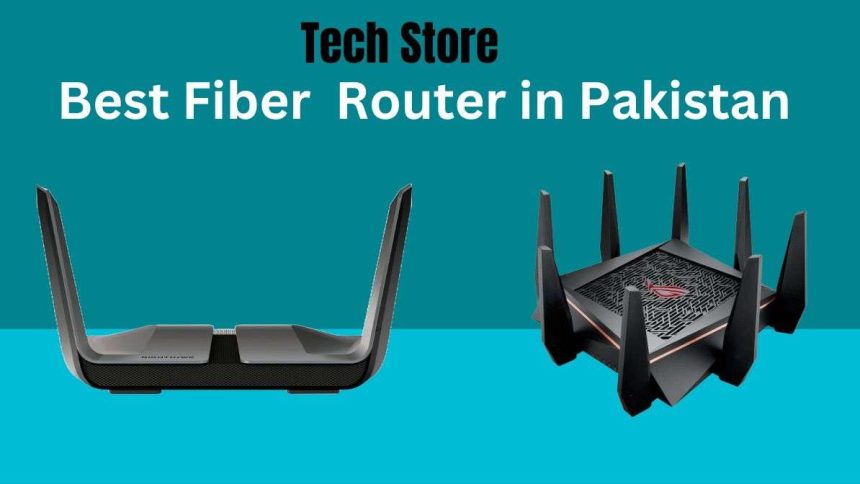
Fiber internet has transformed the way we connect online. Unlike traditional DSL or cable connections, fiber-optic technology transmits data as light through thin strands of glass, allowing for incredibly fast speeds and low latency.
While fiber internet itself delivers impressive performance, the experience ultimately depends on the router used to distribute that connection throughout your home or office. Choosing the best router for fiber internet ensures you can fully utilize the high-speed capabilities, maintain stable connections, and handle multiple devices seamlessly.
Many people assume any router will work with fiber internet, but the reality is that a high-speed connection requires equipment capable of handling gigabit speeds, low latency, and modern networking features. The right router not only supports the maximum bandwidth but also provides security, coverage, and advanced features to future-proof your network.
Key Features to Look for in a Fiber Internet Router
Selecting the best router for fiber internet requires attention to specific features. High-speed throughput is essential, as fiber connections can easily exceed the limits of older routers. Routers that support Wi-Fi 6, the latest standard in wireless networking, offer faster speeds, better efficiency, and improved performance for multiple connected devices.
Dual-band or tri-band routers are particularly beneficial for households with high internet usage, as they allow traffic to be distributed across different frequencies, minimizing congestion. In addition, a robust processor and sufficient RAM ensure the router can handle multiple tasks simultaneously, from streaming and gaming to video calls and smart home integration.
Security and Firmware Updates
Security is a critical aspect of any router, especially for fiber internet where high-speed connectivity exposes networks to potential vulnerabilities. Routers that provide automatic firmware updates, strong encryption standards like WPA3, and built-in security features such as firewalls and parental controls are ideal. These elements protect personal data, prevent unauthorized access, and maintain a stable connection.
Read Also: NYT Connections Hints August 9: Today Puzzle Help
Top Router Options for Fiber Internet
While many routers perform well with fiber connections, some models stand out due to speed, range, and reliability. Mesh Wi-Fi systems are increasingly popular for large homes or offices, offering seamless coverage by connecting multiple units together. They eliminate dead zones and maintain consistent speeds even at greater distances from the primary router.
Traditional high-end routers, on the other hand, often offer more advanced features for power users, such as customizable settings, multiple Ethernet ports, and support for VPNs. Choosing between a mesh system or a standalone router depends on your environment, number of devices, and specific internet needs.
Wi-Fi 6 and Future-Proofing
Fiber internet is evolving, and so is the technology to support it. Wi-Fi 6 routers provide enhanced speed, better network efficiency, and improved performance for simultaneous connections. For households with multiple smart devices, high-definition streaming, or online gaming, investing in a Wi-Fi 6 router ensures the network remains capable as demand increases.
Future-proofing your router reduces the need for frequent upgrades and allows you to maximize the potential of your fiber internet subscription over time.
Benefits of a High-Performance Router
A high-performance router complements fiber internet in multiple ways. First, it delivers consistent gigabit speeds throughout the home, ensuring that streaming services, online gaming, and work-from-home tasks run without interruption. Secondly, it reduces latency, which is essential for real-time applications like video conferencing and competitive gaming.
Routers designed for fiber connections also handle multiple devices more effectively. In modern households, where smartphones, laptops, smart TVs, and home automation systems coexist, a capable router prevents network slowdowns and ensures all devices stay connected.
Coverage and Range Considerations
Coverage is another key factor. Fiber internet may be fast, but if your router cannot distribute the signal effectively, certain areas of your home may experience weaker connections. Routers with multiple antennas, advanced beamforming technology, and mesh capabilities provide extended coverage and maintain strong signal strength across larger spaces.
Choosing a router with sufficient range prevents frustrating dead zones and ensures that the speed advantage of fiber internet is accessible everywhere in your home or office.
Setup and Ease of Use
Even the best router is only effective if it is set up correctly. Many modern routers offer intuitive mobile apps or web interfaces that simplify installation, configuration, and monitoring. Features like automatic firmware updates, guided setup wizards, and traffic prioritization make it easy for users to optimize performance without deep technical knowledge.
Ease of use is particularly important for households or offices that rely on a stable connection but do not have IT expertise readily available. A router that simplifies management reduces downtime and improves overall network reliability.
Parental Controls and Network Management
Routers for fiber internet often include advanced parental controls and network management tools. These features allow users to set usage schedules, restrict access to certain websites, and monitor network activity. For families or shared workspaces, these tools enhance safety and ensure equitable bandwidth distribution across users and devices.
Choosing Between Mesh and Traditional Routers
Deciding between a mesh Wi-Fi system and a traditional high-end router depends on specific needs. Mesh systems excel in large homes or multi-story buildings, offering seamless coverage and easy expansion. They are ideal for maintaining stable speeds across challenging layouts and removing dead zones.
High-end traditional routers are often better suited for smaller spaces or power users who need maximum customization, wired connections, and specialized features like VPN support or advanced security protocols. Both options are capable of delivering the performance required for fiber internet, but understanding your environment helps make the right choice.
Wired Connections for Maximum Speed
While Wi-Fi is convenient, wired connections are essential for maximum speed and stability. High-performance routers for fiber internet often include multiple Gigabit Ethernet ports to connect gaming consoles, desktop computers, and media servers directly. Using wired connections ensures low latency and the highest achievable speeds, complementing the wireless coverage for other devices.
Common Mistakes to Avoid
Many users underestimate the importance of the router in a fiber internet setup. Using outdated routers, ignoring security updates, or overloading the network with too many devices can reduce performance significantly. Investing in a router that matches the fiber internet speed is crucial to prevent bottlenecks and maximize your subscription.
Another common mistake is placing the router in a suboptimal location. Central placement, away from obstacles and interference sources, ensures better coverage and performance. Attention to setup details and proper equipment selection enhances the overall fiber internet experience.
Long-Term Value of a Quality Router
Purchasing the best router for fiber internet is an investment in long-term network performance. Reliable routers last for several years, accommodate future technology upgrades, and support growing numbers of connected devices. They prevent frustration caused by slow speeds, dead zones, and network instability.
In addition, a quality router enhances security, protects personal data, and reduces the risk of downtime. The combination of speed, coverage, and advanced features ensures that the high-speed potential of fiber internet is fully realized in everyday use.
Conclusion
The best router for fiber internet is more than just a device; it is the backbone of a fast, reliable, and secure home or office network. Routers that support high-speed throughput, Wi-Fi 6, mesh systems, and advanced security features enable users to maximize the performance of fiber connections.
Choosing the right router ensures consistent speed, low latency, wide coverage, and future-proofed technology, making your investment in fiber internet worthwhile. Whether for streaming, gaming, work, or smart home integration, a high-performance router transforms fiber internet into a seamless, dependable experience.
Selecting the router that aligns with your specific environment and needs is essential for leveraging the full potential of fiber-optic technology.
FAQs
What is the best router for fiber internet?
A router that supports high-speed throughput, Wi-Fi 6, and stable coverage for multiple devices.
Why do I need a special router for fiber internet?
Fiber connections are very fast, and older routers may limit speed and performance.
Can a mesh system improve fiber internet performance?
Yes, mesh routers provide consistent coverage and eliminate dead zones in large homes.
Do I need Wi-Fi 6 for fiber internet?
Wi-Fi 6 enhances speed, efficiency, and performance for multiple devices on fiber networks.
Should I use wired connections with fiber internet?
Yes, wired connections offer maximum speed and low latency for gaming, streaming, and work.