Chicken appears in kitchens across the world because it feels simple, affordable, and versatile. Yet confusion often starts the moment someone notices a sell by date printed on the package.
Many people assume that date signals danger, while others ignore it completely. Understanding the chicken sell by date helps protect health, reduce waste, and build confidence in food choices.
This guide explains the meaning behind chicken sell by dates, how freshness works, and how to judge chicken quality using real-world knowledge rather than fear. Everything here follows food safety expertise, practical experience, and trustworthy guidance.
Understanding the Chicken Sell By Date
The sell by date exists mainly for retailers rather than consumers. Stores use this date to manage inventory and ensure customers receive fresh products. Chicken often remains safe to eat beyond the sell by date when stored correctly and handled properly.
Manufacturers choose the sell by date based on quality expectations rather than safety deadlines. That means chicken does not suddenly spoil the moment the date passes. Instead, the date signals peak freshness under ideal refrigeration conditions.
Sell By Date vs Use By Date vs Best Before Date
Sell By Date Meaning
Sell by date helps grocery stores rotate stock. Chicken may still remain fresh for one or two days beyond this date when kept refrigerated at the proper temperature. The quality slowly declines, yet safety often remains intact.
Use By Date Explanation
Use by date focuses more on safety. Food should be consumed before this date to reduce risk of spoilage or foodborne illness. Chicken with a use by date requires closer attention and should not be ignored.
Best Before Date Purpose
Best before date indicates quality rather than safety. Chicken past this date may lose texture or flavor, though it might still be safe when stored correctly.
Understanding these labels prevents unnecessary waste and encourages informed decisions.
Read Also: Verizon vs AT&T: Coverage, 5G Speed, Plans Comparison
How Long Chicken Lasts After Sell By Date
Raw chicken typically lasts one to two days past the sell by date when refrigerated at or below forty degrees Fahrenheit. That window depends heavily on storage conditions, packaging, and handling during transport.
Frozen chicken changes the timeline completely. Freezing before the sell by date preserves quality for months. Once thawed, chicken follows the same short timeline as fresh meat.
Cooked chicken stored in airtight containers usually stays safe for three to four days in the refrigerator, regardless of the original sell by date.
Factors That Affect Chicken Freshness
Temperature Control Importance
Temperature plays the biggest role in chicken safety. Refrigeration slows bacterial growth but does not stop it completely. Leaving chicken out at room temperature for more than two hours creates risk even if the sell by date remains valid.
Packaging Quality
Vacuum sealed chicken lasts longer than loosely wrapped packages. Oxygen exposure speeds spoilage and odor development. Damaged packaging increases contamination risk and shortens shelf life.
Handling and Cross Contamination
Frequent handling, exposure to raw surfaces, or contact with other foods can introduce bacteria. Clean storage and sealed containers help preserve freshness.
How to Tell If Chicken Is Bad
Sell by date alone does not determine spoilage. Sensory checks remain essential.
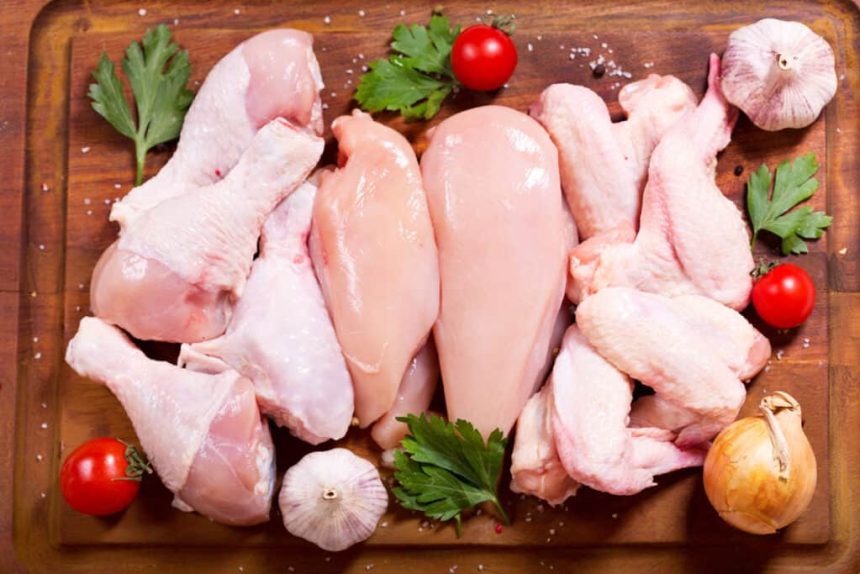
Smell offers the clearest signal. Fresh chicken smells neutral or slightly meaty. Sour, sulfur-like, or rotten odors indicate spoilage.
Texture also reveals quality. Slimy or sticky surfaces signal bacterial growth even if color looks normal.
Color changes may occur naturally, especially with oxygen exposure. Gray or green hues combined with odor and texture changes confirm spoilage.
When in doubt, throwing chicken away protects health and prevents serious illness.
Health Risks of Eating Spoiled Chicken
Eating spoiled chicken increases the risk of foodborne illness caused by bacteria such as salmonella or campylobacter. Symptoms may include stomach cramps, vomiting, diarrhea, and fever. These effects can appear hours or days after consumption.
Children, elderly individuals, and people with weakened immune systems face higher risks. Food safety experts always recommend caution rather than relying solely on printed dates.
Safe Storage Tips for Chicken
Proper storage extends chicken freshness and safety. Refrigeration should begin immediately after purchase. Chicken belongs on the lowest shelf to prevent raw juices from contaminating other foods.
Freezing works best when chicken remains unopened or tightly sealed. Labeling packages with freezing dates helps track quality.
After opening, transferring chicken to airtight containers reduces exposure and preserves freshness.
Cooking Chicken Past the Sell By Date
Cooking does not magically fix spoiled chicken. Heat kills bacteria but does not remove toxins produced during spoilage. If chicken smells bad or feels slimy, cooking it does not make it safe.
However, chicken that smells normal, looks fresh, and passed sensory checks may be cooked safely within one or two days past the sell by date if refrigeration remained consistent.
Internal temperature matters. Chicken must reach one hundred sixty five degrees Fahrenheit to ensure safety.
Why Sell By Dates Cause Confusion
Many consumers misunderstand food labels due to inconsistent terminology. Regulations vary by region, and manufacturers choose wording differently. This confusion leads to excessive food waste and unnecessary fear.
Food safety organizations continue advocating for clearer labeling systems that separate quality guidance from safety warnings.
Reducing Food Waste While Staying Safe
Understanding chicken sell by date empowers smarter decisions. Instead of discarding chicken automatically, using sensory checks and proper storage methods helps reduce waste without compromising safety.
Planning meals around purchase dates, freezing unused portions, and cooking within recommended windows build confidence and control.
Expert Guidance and Food Safety Trust
Food safety experts, nutritionists, and public health organizations agree that dates alone should not replace proper handling and observation. Experience combined with science creates reliable judgment.
Trusting both printed guidance and personal assessment aligns with best practices and promotes healthier kitchens.
Conclusion
Chicken sell by date offers guidance rather than strict rules. When paired with correct storage, handling, and sensory evaluation, it becomes a helpful tool rather than a source of stress. Knowing what the date means allows safer eating, smarter shopping, and reduced waste.
Respect the date, trust your senses, and prioritize food safety knowledge. That balance leads to confident decisions and healthier meals every time.
FAQs
Can you eat chicken after the sell by date?
Yes, chicken can be safe one to two days after the sell by date if stored properly and shows no signs of spoilage.
How long is raw chicken good after the sell by date?
Raw chicken typically lasts up to two days past the sell by date when refrigerated correctly.
What does the sell by date on chicken mean?
The sell by date helps stores manage inventory and does not mean the chicken becomes unsafe immediately.
How can you tell if chicken has gone bad?
Spoiled chicken smells sour, feels slimy, or shows unusual color changes.
Is it safe to cook chicken past the sell by date?
Yes, if the chicken smells normal, looks fresh, and has been stored at the proper temperature.