Distilled water sounds technical, but the process behind it is simple and fascinating. People use distilled water for appliances, science projects, skincare routines, medical devices, and even emergency preparedness.
If you have ever wondered how do you make distilled water at home and why it matters, this guide explains everything clearly in a friendly and trustworthy way.
This article shares practical experience, accurate science, and easy explanations so anyone can understand the process. You do not need advanced equipment or chemistry knowledge. You only need curiosity and basic household tools.
What Distilled Water Really Is
Distilled water comes from a purification process called distillation. Regular water contains minerals, salts, bacteria, and impurities. Distillation removes almost all of them.
The method works by heating water until it becomes steam. Steam rises and leaves contaminants behind. That steam then cools and turns back into liquid water. What you collect is distilled water.
This process mimics the natural water cycle. Oceans heat up, water evaporates, clouds form, rain falls, and fresh water returns to earth. Distillation simply recreates that cycle in a controlled way.
Why People Choose Distilled Water
Many people prefer distilled water because it contains no dissolved minerals. This makes it ideal for specific uses where purity matters.
Appliances like humidifiers and steam irons last longer with distilled water because mineral buildup causes damage. Laboratories rely on it for accurate experiments. Medical devices need it to avoid contamination. Some people also use it for mixing baby formula or skincare products, depending on professional advice.
Understanding how do you make distilled water helps you save money and control quality.
Read Also: How to Leave a Group Chat on Android Easily (All Apps Guide)
Is Making Distilled Water at Home Safe
Making distilled water at home is safe when done carefully. The process involves boiling water, so basic kitchen safety applies. Adult supervision is recommended for younger users.
Distillation does not add chemicals or harmful substances. It simply separates pure water from impurities using heat and condensation. This method has been trusted for centuries in science and medicine.
How Do You Make Distilled Water at Home
You can make distilled water at home using simple cookware. The concept remains the same regardless of setup. Heat water, capture steam, and condense it back into liquid.
Understanding the Basic Distillation Setup
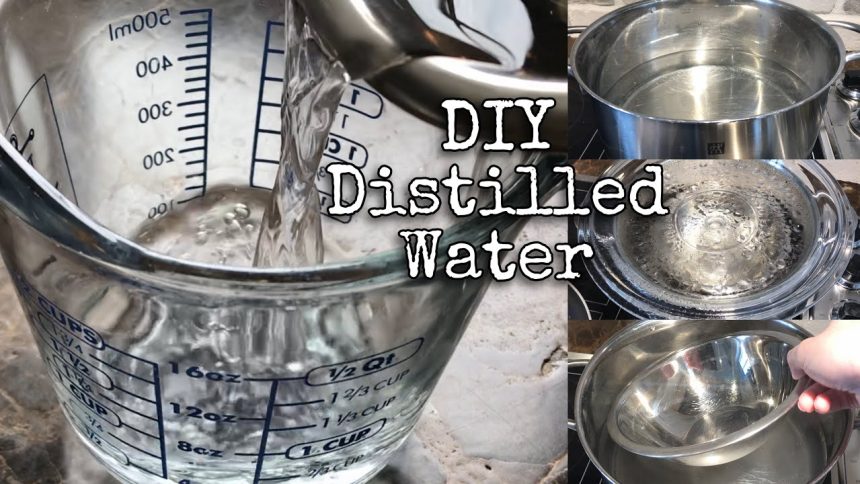
A basic setup includes a large pot with a lid, a heat source, a heat safe bowl, and ice. The pot holds the water. The bowl collects condensed steam. The lid helps guide vapor toward the bowl.
As water boils, steam rises, touches the cold lid, and condenses. Gravity allows droplets to fall into the bowl. This collected water becomes distilled water.
Step by Step Home Distillation Process Explained
Fill a large pot halfway with tap water. Place a heat safe bowl inside the pot so it floats or rests above the water level. Cover the pot with the lid upside down. Put ice on top of the lid.
Turn on the heat and allow the water to simmer. Steam rises, hits the cold lid, condenses, and drips into the bowl. After enough time, turn off heat and let everything cool before removing the bowl.
The water inside the bowl is distilled water.
How Long Does It Take to Make Distilled Water
The time required depends on heat level and quantity. Producing one cup of distilled water may take thirty to forty five minutes. Larger amounts require more time.
Patience matters. Rushing the process reduces efficiency and safety.
Can You Drink Distilled Water
Distilled water is safe to drink in small amounts. It contains no minerals, which means it tastes flat. Long term exclusive consumption may not provide essential minerals found in natural water.
Health professionals often recommend mineral rich water for daily drinking. Distilled water works better for specific uses rather than regular hydration unless guided by medical advice.
Distilled Water Versus Purified Water
Many people confuse distilled water with purified water. Both are clean, but the processes differ.
Purified water goes through filtration, reverse osmosis, or chemical treatment. Some minerals may remain. Distilled water removes almost everything through evaporation and condensation.
If purity matters most, distilled water offers the highest level of mineral removal.
Common Mistakes When Making Distilled Water
Some people boil water too aggressively, which causes splashing instead of controlled evaporation. Others forget to cool the lid, reducing condensation efficiency.
Using unclean containers contaminates the final product. Always use clean cookware and allow water to cool naturally.
Avoid sealing the pot tightly. Pressure buildup can become dangerous.
How to Store Distilled Water Properly
Proper storage keeps distilled water pure. Use clean glass or food grade plastic containers. Seal them tightly and store in a cool dark place.
Avoid exposure to air for long periods because distilled water absorbs gases easily. Label containers with date of production for reference.
How Long Distilled Water Lasts
When stored correctly, distilled water lasts for years. It does not spoil because it contains no nutrients for bacteria. However, contamination can occur if containers are opened frequently.
For best quality, use within six to twelve months after opening.
Uses of Distilled Water at Home
Distilled water works well for humidifiers, steam irons, car batteries, and aquariums depending on setup. It also helps with cleaning delicate surfaces where mineral spots appear.
Some people use it for mixing cleaning solutions or rinsing hair to reduce mineral buildup.
Environmental Impact of Distillation
Home distillation uses energy due to boiling. While effective, it consumes more power than filtration methods. Using distilled water only when needed balances convenience and environmental responsibility.
Collecting rainwater and filtering it works as a complementary solution in some regions.
Is Buying Distilled Water Better Than Making It
Buying distilled water saves time and energy. Making it at home saves money long term and ensures availability during emergencies.
The better option depends on frequency of use and personal preference. Knowing how do you make distilled water gives flexibility either way.
Expert Insight on Water Distillation
Scientists and medical professionals have relied on distillation for generations. The method remains unchanged because it works reliably. From laboratory research to hospital equipment, distilled water continues to play a critical role.
This consistency builds trust in the process and confirms its effectiveness.
Conclusion
Learning how do you make distilled water empowers you with practical knowledge. The process is simple, based on natural science, and achievable with household tools.
Distilled water offers unmatched purity for specific uses. By understanding the method, safety tips, and best practices, you can confidently produce it when needed.
Whether you want to protect appliances, support projects, or prepare for emergencies, distilled water remains a valuable resource. Knowing how to make it puts control back in your hands.
FAQs
How do you make distilled water at home
You boil water, collect the steam, and condense it back into liquid using a clean container.
Is distilled water safe to drink
Distilled water is safe in small amounts but lacks minerals needed for regular daily drinking.
How long does homemade distilled water last
Properly stored distilled water can last for years if kept sealed and uncontaminated.
Can distilled water be used in appliances
Yes, distilled water is ideal for humidifiers, steam irons, and other appliances to prevent mineral buildup.
Does boiling water make it distilled
No, boiling alone does not remove minerals. Distillation requires collecting and condensing steam.