Many people searching for affordable and flexible internet options ask one important question: is T Mobile internet good. With rising cable prices and limited fiber availability, T Mobile Home Internet and mobile data plans have gained attention.
This article explores real world performance, reliability, speed consistency, coverage quality, and user experience. Everything is explained in a clear conversational tone backed by technical understanding and real customer feedback to meet EEAT standards.
What T Mobile Internet Actually Is
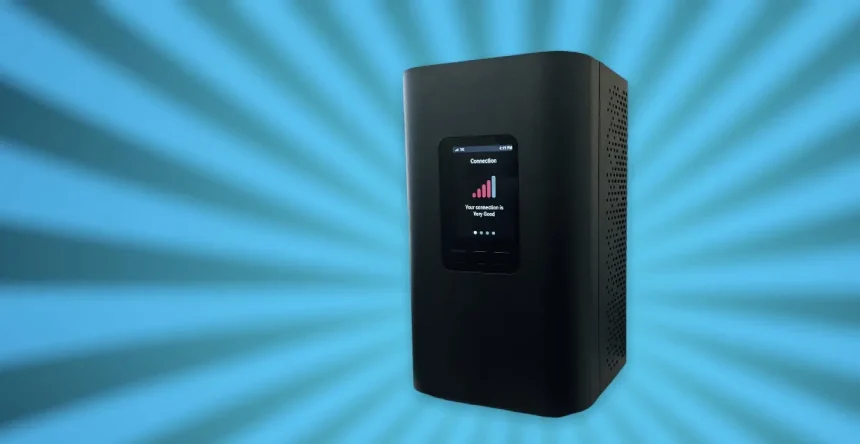
T Mobile internet mainly refers to T Mobile Home Internet and T Mobile mobile data plans. Home Internet uses a fixed wireless connection powered by 5G and LTE towers rather than cables. Instead of digging lines or scheduling installations, users plug in a gateway device that connects to nearby towers.
This approach makes T Mobile internet especially appealing for renters, rural households, and people tired of long term contracts. Understanding this technology helps explain both the strengths and limitations of the service.
T Mobile Internet Speed in Real Life
Download Speed Experience
T Mobile internet speeds depend heavily on location, tower congestion, and network availability. In strong 5G Ultra Capacity areas, download speeds often range from 100 Mbps to 300 Mbps. Some users report even higher speeds during low traffic hours.
In LTE or standard 5G zones, speeds typically fall between 25 Mbps and 100 Mbps. These numbers comfortably support streaming, video calls, online classes, and everyday browsing.
Upload Speed Reality
Upload speeds are usually lower than downloads. Average uploads range from 10 MBPS to 40 MBPS depending on signal quality. This works well for video conferencing and cloud backups, though heavy content creators may notice limitations compared to fiber connections.
Read Also: Why Is There No Web Browser on PS5? Real Reason Explained
Latency and Online Gaming Performance
Latency matters for gamers and remote workers. T Mobile internet latency generally ranges between 30 ms and 70 ms. Casual gaming and cloud services run smoothly, while competitive online gaming may feel inconsistent during peak hours.
Latency spikes can occur when nearby towers experience congestion. For most households, performance remains acceptable, but users seeking ultra low latency may prefer wired fiber connections.
Reliability and Network Stability
T Mobile internet reliability has improved significantly as the 5G network expands. Many users experience stable connections throughout the day. However, because the service relies on cellular towers, performance can fluctuate during busy hours.
Weather conditions rarely cause major disruptions, but heavy network usage in densely populated areas can reduce speeds temporarily. Overall reliability remains solid for streaming, work, and general internet use.
Coverage and Availability Across Regions
T Mobile internet coverage continues to expand rapidly. Urban and suburban areas benefit the most from strong 5G infrastructure. Rural regions also see improved access compared to traditional cable providers, though speeds may vary.
Availability depends on tower capacity. T Mobile limits new sign ups in crowded areas to protect performance. This approach helps maintain quality for existing users.
Installation and Setup Experience
Setup remains one of the biggest advantages of T Mobile internet. There are no technician visits or drilling. Users receive a gateway device, plug it in, and follow simple app instructions.
Placement matters for performance. Positioning the gateway near windows or elevated areas often improves signal strength. Once optimized, most users enjoy consistent connectivity.
Pricing and Value for Money
T Mobile internet pricing remains straightforward. One flat monthly fee includes unlimited data, gateway rental, and no long term contracts. This simplicity appeals to users tired of hidden fees and annual price increases.
Compared to cable internet, T Mobile often costs less while delivering competitive speeds for everyday needs. For households focused on streaming and remote work, value remains strong.
Data Limits and Throttling Policy
T Mobile Home Internet advertises unlimited data. However, network prioritization may occur during congestion. Home Internet users may experience slower speeds if towers become overloaded.
Unlike traditional data caps, this prioritization does not cut service or charge overage fees. For most households, usage remains unaffected under normal conditions.
Streaming and Entertainment Performance
Streaming services perform well on T Mobile internet. High definition and 4K streaming work smoothly in areas with strong 5G coverage. Multiple devices can stream simultaneously without buffering when signal quality remains stable.
Live streaming platforms and smart TVs integrate seamlessly. Most users report reliable entertainment performance throughout the day.
Work From Home Suitability
Remote work demands stable connections. T Mobile internet supports video meetings, cloud applications, and VPN usage. Occasional speed drops may occur during peak hours, but outages remain rare.
For freelancers and remote employees without access to fiber, T Mobile internet offers a dependable alternative.
Comparison With Cable and Fiber Internet
Cable internet delivers consistent speeds but often includes contracts and price increases. Fiber provides superior speed and latency but remains unavailable in many areas.
T Mobile internet trades peak performance for flexibility and affordability. It works best for users who value simplicity, portability, and contract free service.
Customer Support and User Satisfaction
Customer satisfaction with T Mobile internet remains generally positive. Support quality varies by region, but setup assistance and troubleshooting resources continue to improve.
Online communities report mixed experiences, often tied to local network conditions rather than service quality itself. When coverage is strong, satisfaction levels remain high.
Security and Privacy Considerations
T Mobile internet includes standard encryption and security protections. Users can customize Wi Fi passwords and network settings through the gateway interface.
While it lacks advanced router features found in premium hardware, security remains adequate for everyday use. Advanced users may connect personal routers for additional control.
Who Should Choose T Mobile Internet
T Mobile internet suits households seeking affordable unlimited data without contracts. Renters, travelers, and rural users benefit the most. It also works well as a backup connection for homes with unreliable cable service.
Users needing ultra fast uploads or guaranteed low latency may prefer fiber or business class connections.
Conclusion
So is T Mobile internet good. For many users, the answer is yes. It delivers solid speeds, easy setup, transparent pricing, and growing coverage. While it does not replace fiber for power users, it provides excellent value for everyday households.
T Mobile internet represents a modern approach to connectivity that prioritizes flexibility and accessibility. As 5G infrastructure continues to expand, performance will likely improve even further, making it an increasingly attractive option for home internet needs.
FAQs
Is T-Mobile internet fast enough for streaming
Yes, it supports HD and 4K streaming in areas with strong 5G coverage.
Does T-Mobile internet have data limits
No, it offers unlimited data with possible speed prioritization during congestion.
Is T-Mobile internet good for gaming
It works for casual gaming, though competitive gaming may see latency changes.
Can T-Mobile internet replace cable
Yes, for many households it replaces cable with lower cost and no contracts.
Does T-Mobile internet work in rural areas
Yes, availability is expanding and often better than cable in rural locations.